How to Start a Grocery/Kirana Store Business in India
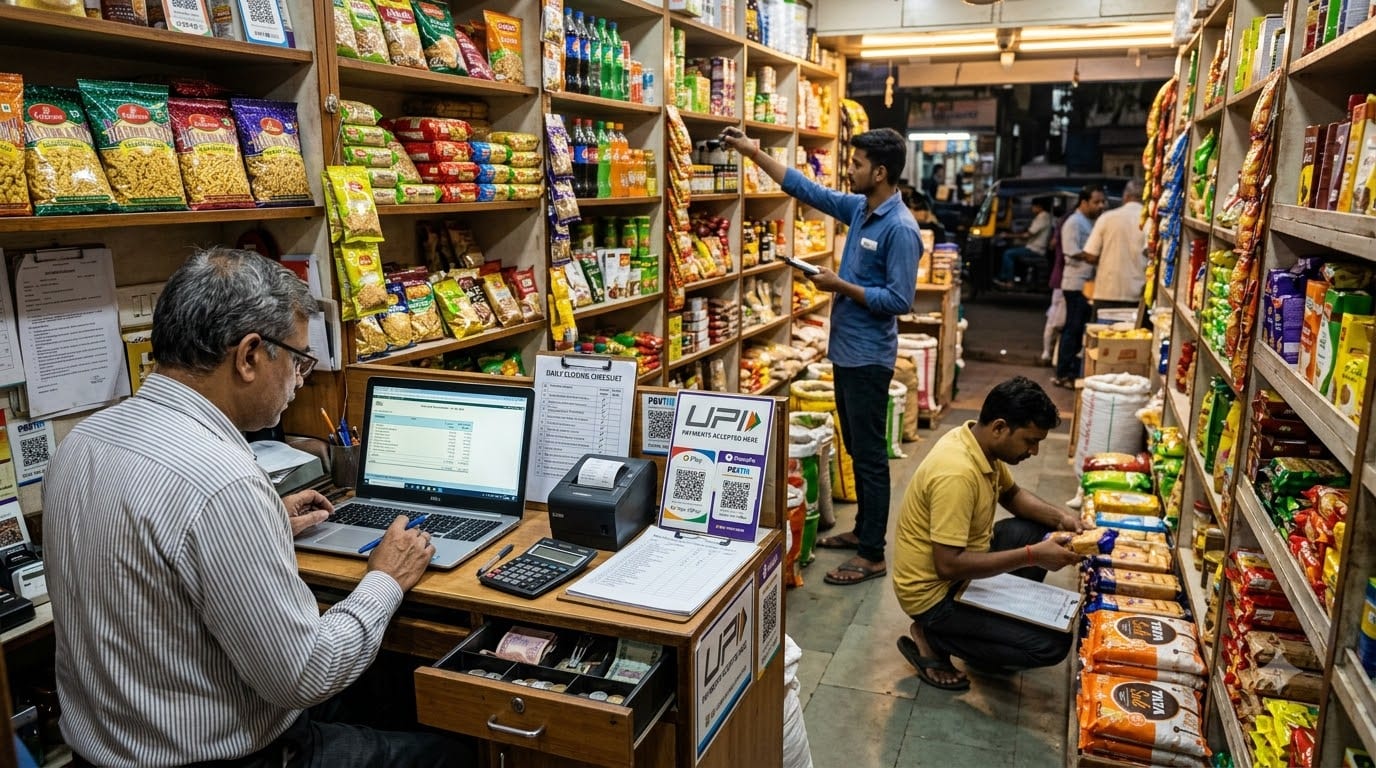
Starting a grocery or kirana store in India is not just about renting a shop and filling it with products. A successful store depends on understanding local demand, selecting the right location, managing fast-moving inventory, building reliable supplier relationships, controlling cash flow, and giving customers a convenient reason to return.
A kirana store can begin as a small family-run business, but operations become more complex as sales increase. Stock needs to be reordered, expiry dates must be checked, supplier payments must be tracked, customer credit can become difficult to manage, and staff need clear processes for billing, stocking, and delivery.
This guide covers the key steps involved in starting a grocery store business in India, including registrations, investment, location, inventory, suppliers, daily operations, customer acquisition, and how Zopkit can support the business.
Table of Contents
- Choose the grocery store model
- Study the local market
- Select the right location
- Complete registrations and licenses
- Plan investment and working capital
- Set up the store
- Select suppliers and inventory
- Manage pricing and cash flow
- Build daily operations
- Attract local customers
- How Zopkit supports a kirana store
- Common mistakes
- Conclusion and CTA
1. Choose the Grocery Store Model
First, decide what type of grocery business you want to build.
Common models include:
- Small neighborhood kirana store.
- Medium-sized general store.
- Supermarket-style grocery outlet.
- Specialty store for organic or regional products.
- Grocery store with local home delivery.
- Hybrid store accepting walk-in, phone, and WhatsApp orders.
A small neighborhood shop may focus on rice, flour, pulses, cooking oil, spices, milk, bread, snacks, beverages, detergents, and personal-care products.
A larger store can add:
- Fruits and vegetables.
- Frozen foods.
- Organic products.
- Imported products.
- Household cleaning items.
- Pet-care products.
- Regional specialties.
Avoid stocking everything on the first day. Start with products people in your area buy frequently, then expand based on actual demand.
Ask:
- Who are your target customers?
- What do nearby households buy regularly?
- Will customers walk to the store or expect delivery?
- Are they more concerned about price, convenience, variety, or credit?
- Who are your main competitors?
2. Study the Local Market
A kirana store succeeds because it understands its immediate neighborhood.
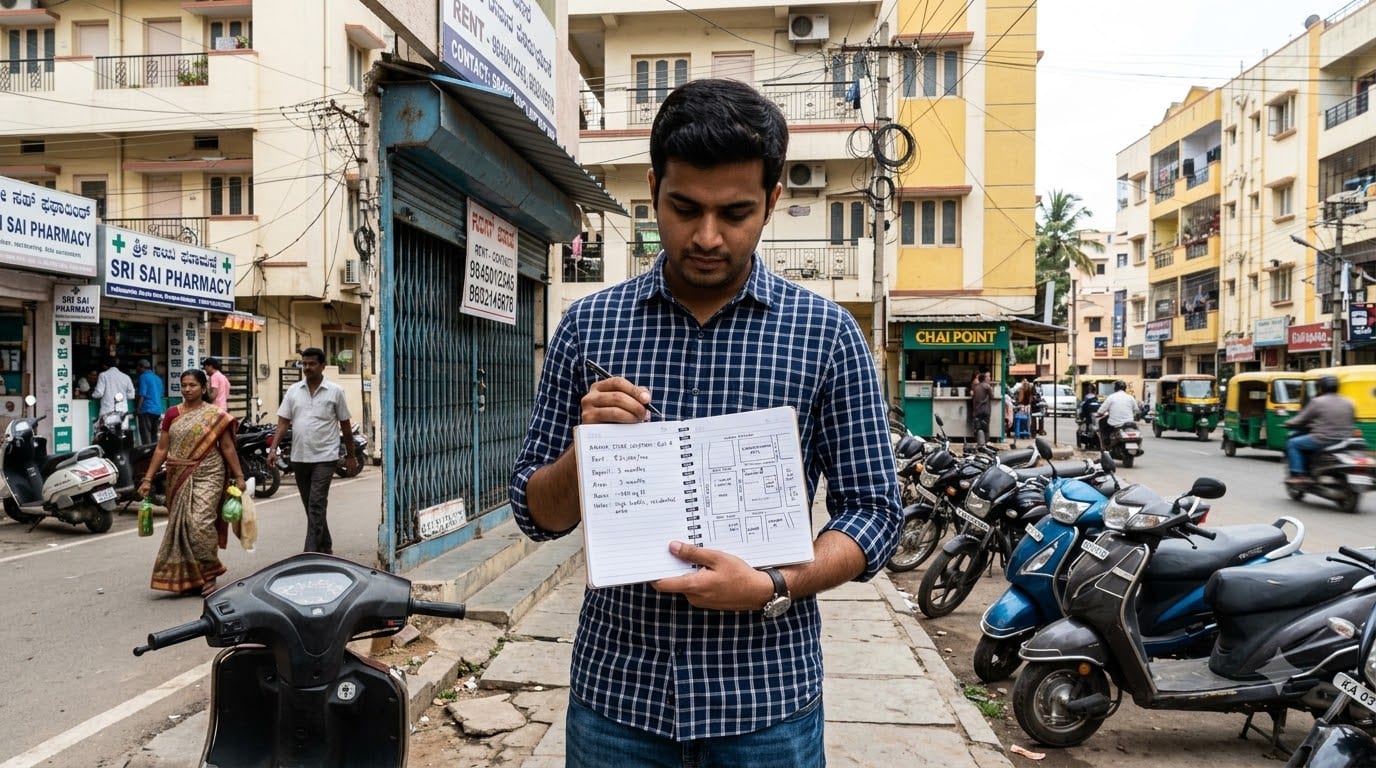
Before signing a lease, visit nearby stores and observe:
- Product categories.
- Prices of common items.
- Store timings.
- Customer footfall.
- Delivery options.
- Brands available.
- Products that are often out of stock.
- Whether stores offer credit.
- How quickly customers are served.
Speak to residents, apartment security staff, nearby offices, and local businesses. You may discover demand for:
- Early-morning grocery access.
- Late-night convenience.
- WhatsApp ordering.
- Home delivery.
- Monthly household shopping.
- Bulk supplies for offices or restaurants.
- Regional or specialty products.
Customer group | Common needs |
|---|---|
Families | Monthly staples and household products |
Working professionals | Quick delivery, snacks, and ready-to-eat items |
Students | Instant meals, drinks, and low-ticket products |
Senior citizens | Reliable home delivery |
Premium households | Organic, imported, and health-focused products |
Offices and restaurants | Bulk supplies and beverages |
Your advantage may not be the lowest price. It may be better availability, faster service, cleaner presentation, or dependable delivery.
3. Select the Right Location
Location matters because most grocery purchases happen close to where customers live or work.
Look for:
- Dense residential population.
- Road visibility.
- Easy walking access.
- Parking or quick stopping space.
- Nearby apartments, hostels, offices, or schools.
- Reliable electricity and water.
- Storage space.
- Easy loading and unloading.
- Limited direct competition.
Before signing the rental agreement, check:
- Whether the property can be used commercially.
- Rent, deposit, lock-in, and escalation terms.
- Maintenance and repair responsibility.
- Signboard permissions.
- Delivery access.
- Waste disposal and pest-control arrangements.
Compare the rent and deposit with realistic sales potential. A cheaper store with poor visibility may perform worse than a slightly more expensive store with strong residential access.
4. Complete Registrations and Licenses
Common legal structures include:
- Sole proprietorship.
- Partnership firm.
- LLP.
- Private limited company.
- One Person Company.
For a small owner-operated store, a sole proprietorship may be the simplest starting structure. A partnership or company structure may be more appropriate when multiple people are investing or you plan to open several outlets.
Typical setup steps include:
- Finalize the business name.
- Choose the legal structure.
- Open a separate current account.
- Apply for Udyam registration if eligible.
- Check Shops and Establishments registration.
- Check local municipal trade-license requirements.
- Apply for FSSAI registration or license.
- Assess GST registration requirements.
- Check Legal Metrology requirements where applicable.
Because a grocery store sells food products, FSSAI compliance is important. FSSAI provides an official registration and licensing system for food businesses, and the applicable category depends on the business type and scale.
Small food retailers may qualify for basic registration under the applicable turnover limit, while larger businesses may require a state or central license. Confirm current requirements with FSSAI or a qualified professional before applying.
Maintain a compliance calendar for:
- FSSAI renewals or updates.
- GST returns if registered.
- Income-tax filings.
- Shops and Establishments obligations.
- Employee-related compliance.
- Municipal renewals.
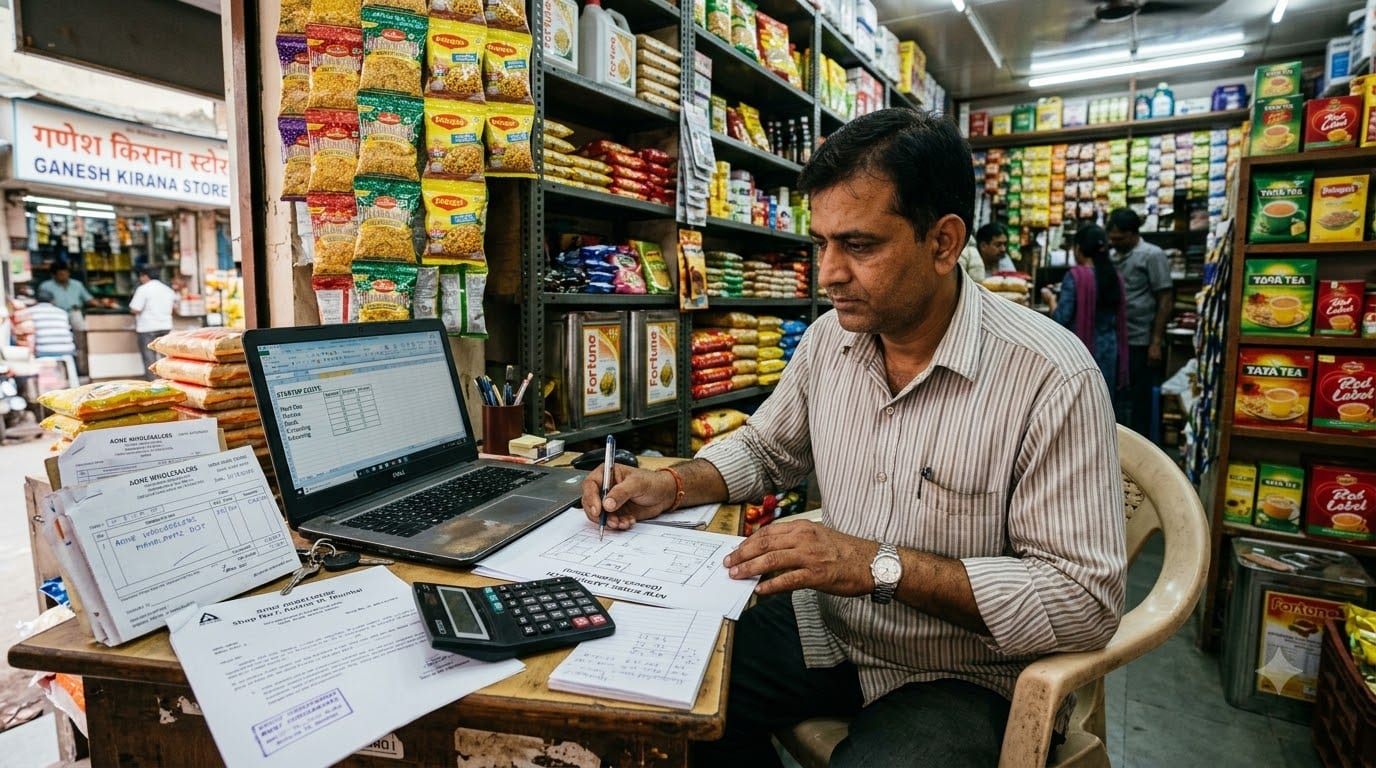
5. Plan Investment and Working Capital
Your investment depends on location, shop size, equipment, inventory range, and delivery model.
Initial costs
- Security deposit and advance rent.
- Shelves and racks.
- Interior work.
- Billing counter.
- Weighing machine.
- Refrigerator or freezer.
- Signboard.
- CCTV.
- Licenses and professional fees.
- Initial stock.
- Packaging and carry bags.
Monthly costs
- Rent.
- Salaries.
- Electricity and internet.
- Delivery expenses.
- Cleaning and pest control.
- Repairs.
- Vendor payments.
- Marketing.
- Loan repayments.
Working capital
Keep enough cash for:
- Reordering fast-moving products.
- Paying suppliers.
- Managing seasonal demand.
- Replacing damaged or expired goods.
- Covering rent and salaries during slower periods.
Do not spend the entire budget on opening stock. A store needs cash after launch to buy the products customers actually demand.
6. Set Up the Store
A grocery store should be easy for customers to shop in and easy for staff to operate.
Basic infrastructure includes:
- Wall-mounted shelves.
- Freestanding racks.
- Backroom storage.
- Billing counter.
- Barcode scanner or billing device.
- Digital weighing machine.
- Refrigerator or freezer.
- Shopping baskets.
- Good lighting.
- CCTV.
- Fire and electrical safety equipment.
- Delivery packing space.
Organize products logically:
- Staples in one section.
- Snacks and beverages in visible areas.
- Personal-care and household products separately.
- Fast-moving products at accessible heights.
- Heavy products on lower shelves.
- Impulse products near billing.
- Back stock in labeled storage.
Keep the store clean and uncluttered. If you offer delivery, create a separate packing area so delivery orders do not interfere with walk-in billing.
7. Select Suppliers and Manage Inventory
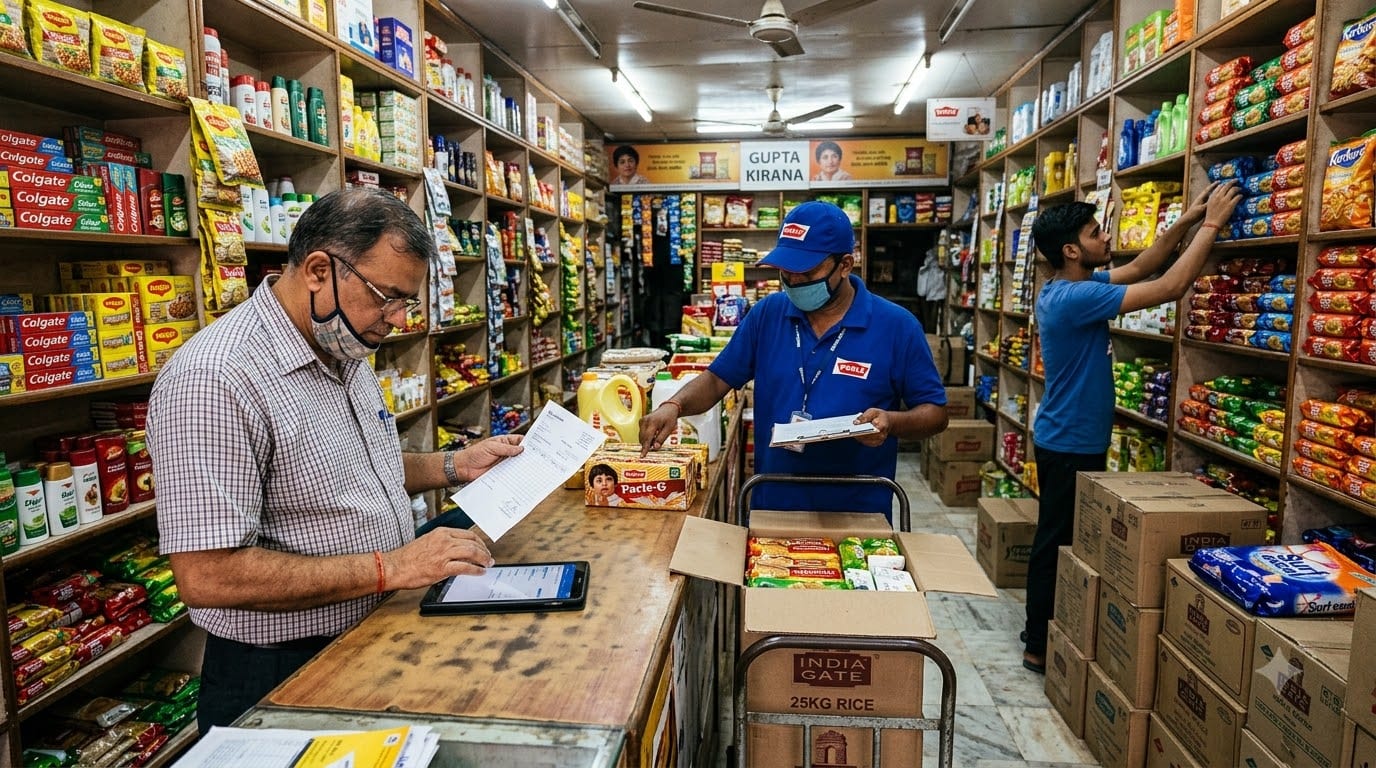
Your supplier network affects product availability, purchase costs, credit terms, and margins.
Possible suppliers include:
- FMCG distributors.
- Local wholesalers.
- Authorized brand distributors.
- Regional manufacturers.
- Dairy and fresh-produce suppliers.
- Specialty product suppliers.
- Direct company ordering platforms.
Compare suppliers based on:
- Pricing.
- Minimum order quantity.
- Credit terms.
- Delivery frequency.
- Damaged-product policy.
- Expiry replacement policy.
- Invoice quality.
- Reliability.
Track inventory by:
- Product.
- Brand.
- Pack size.
- Purchase cost.
- Selling price.
- Quantity sold.
- Quantity remaining.
- Supplier.
- Batch or expiry where relevant.
During the first few months, identify fast-moving products, slow-moving products, frequently requested items, low-margin products, and products creating expiry risk.
8. Manage Pricing and Cash Flow
Grocery stores earn different margins across categories. Staples may generate regular footfall but lower margins, while personal care, household products, specialty items, and private-label products may offer stronger margins. Actual margins vary by category, supplier, location, and pricing strategy.
Category | Main business role |
|---|---|
Rice, flour, pulses, oil | Regular demand and footfall |
Packaged foods | High movement and repeat purchases |
Snacks and beverages | Convenience and impulse sales |
Personal care | Potentially stronger margins |
Household products | Regular replenishment |
Specialty products | Differentiation |
Private label | Potential margin improvement |
Do not compete only on price. Compete through availability, convenience, accurate billing, fast service, reliable delivery, and fair pricing.
If you offer customer credit, define:
- Who is eligible.
- Maximum credit amount.
- Due date.
- Reminder process.
- Approval authority.
- Action for overdue payments.
Uncontrolled credit can make sales look strong while weakening cash flow.
9. Build Daily Operations
Create routines from the first day.
Opening
- Clean the store.
- Check cash and digital payment devices.
- Review low-stock products.
- Check refrigerators and freezers.
- Confirm delivery orders.
- Restock shelves.
During the day
- Record every sale.
- Track damaged or returned products.
- Update stock movement.
- Note customer requests.
- Follow up on supplier deliveries.
- Keep billing organized.
Closing
- Reconcile cash and digital payments.
- Review sales and expenses.
- Check delivery status.
- Record stock issues.
- Prepare the reorder list.
- Secure the premises.
A billing and inventory system should help you see daily sales, product movement, customer credit, vendor purchases, expenses, and stock levels.
10. Attract Local Customers
A kirana store grows through familiarity and convenience.
Useful strategies include:
- WhatsApp ordering.
- Local home delivery.
- Monthly household reminders.
- Festival and seasonal bundles.
- Loyalty rewards.
- Special ordering for requested products.
- Clear store timings.
- Fast complaint resolution.
With customer consent, record:
- Name.
- Phone number.
- Delivery address.
- Preferred brands.
- Regular purchases.
- Monthly buying pattern.
Local marketing can include:
- Apartment and community groups.
- Google Business Profile.
- Flyers.
- Partnerships with nearby offices and hostels.
- Referral offers.
- Festival displays.
- WhatsApp product lists.
The aim is to become the most reliable grocery option in your immediate area.
11. How Zopkit Supports a Kirana Store
Zopkit can help organize the store across customers, finance, projects, staff, and training.
Zopkit CRM
Manage customer profiles, delivery details, purchase preferences, follow-ups, loyalty segments, complaints, and local campaigns.
Zopkit Finance
Track customer invoices, supplier bills, purchase orders, vendor payments, expenses, outstanding credit, cash flow, and profitability.
Zopkit Project Management
Manage store setup, shelf changes, festival campaigns, supplier onboarding, delivery setup, stock audits, renovation, and second-store planning.
Zopkit HRMS
Manage employee records, attendance, shifts, payroll, leave, onboarding, and role responsibilities.
Zopkit Academy
Train staff on billing, customer service, product handling, hygiene, delivery, complaint handling, and inventory routines.
Instead of depending entirely on memory, handwritten registers, and scattered messages, the store can build a more organized operating system.
12. Common Mistakes
Avoid:
- Choosing a location without studying demand.
- Buying too much stock at launch.
- Mixing personal and business money.
- Offering uncontrolled credit.
- Ignoring expiry and damaged products.
- Relying on only one supplier.
- Competing only on price.
- Managing billing and inventory entirely manually.
- Failing to reconcile daily payments.
- Hiring staff without clear responsibilities.
- Delaying license renewals.
- Expanding before the first store has stable cash flow.
A kirana store is a high-frequency business where small mistakes accumulate quickly. Daily discipline matters more than occasional big promotions.
Conclusion and CTA
Starting a grocery or kirana store business in India requires more than stocking essential products. You need to understand local demand, choose the right location, complete relevant registrations, manage suppliers and inventory, protect cash flow, and provide convenient service.
The earlier you introduce clear systems, the easier it becomes to manage billing, customers, staff, suppliers, delivery, and daily operations. Zopkit helps connect CRM, Finance, Project Management, HRMS, and Academy so your store can operate with more visibility and less dependence on memory or scattered spreadsheets.
Explore how Zopkit can support your grocery or kirana store business at zopkit.com.