How to scale an sportswear / fitness gear brand
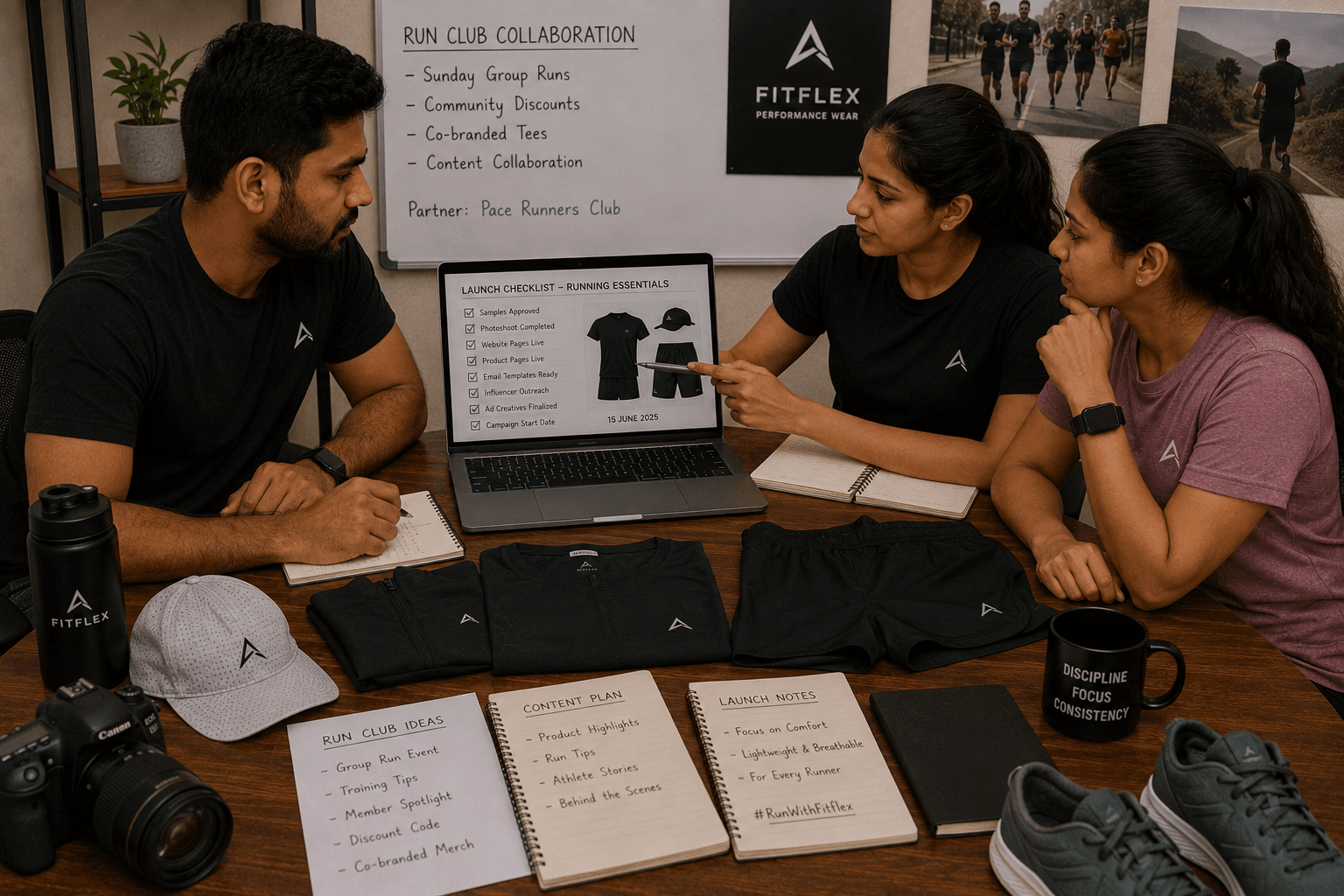
Scaling a sportswear or fitness gear brand in India is not simply releasing more collections or adding more marketplaces. It means turning a working brand into a repeatable, multi channel business with structured collections, connected inventory, disciplined launches, stronger customer relationships, and healthy margins in a fast growing market.
If you are still deciding your model, building your first collection, arranging manufacturing, or setting up registrations, begin with the Start guide first. If you are still fixing products, collections, customer experience, and basic growth levers, use the Grow guide before thinking about scale.
Related Guide:
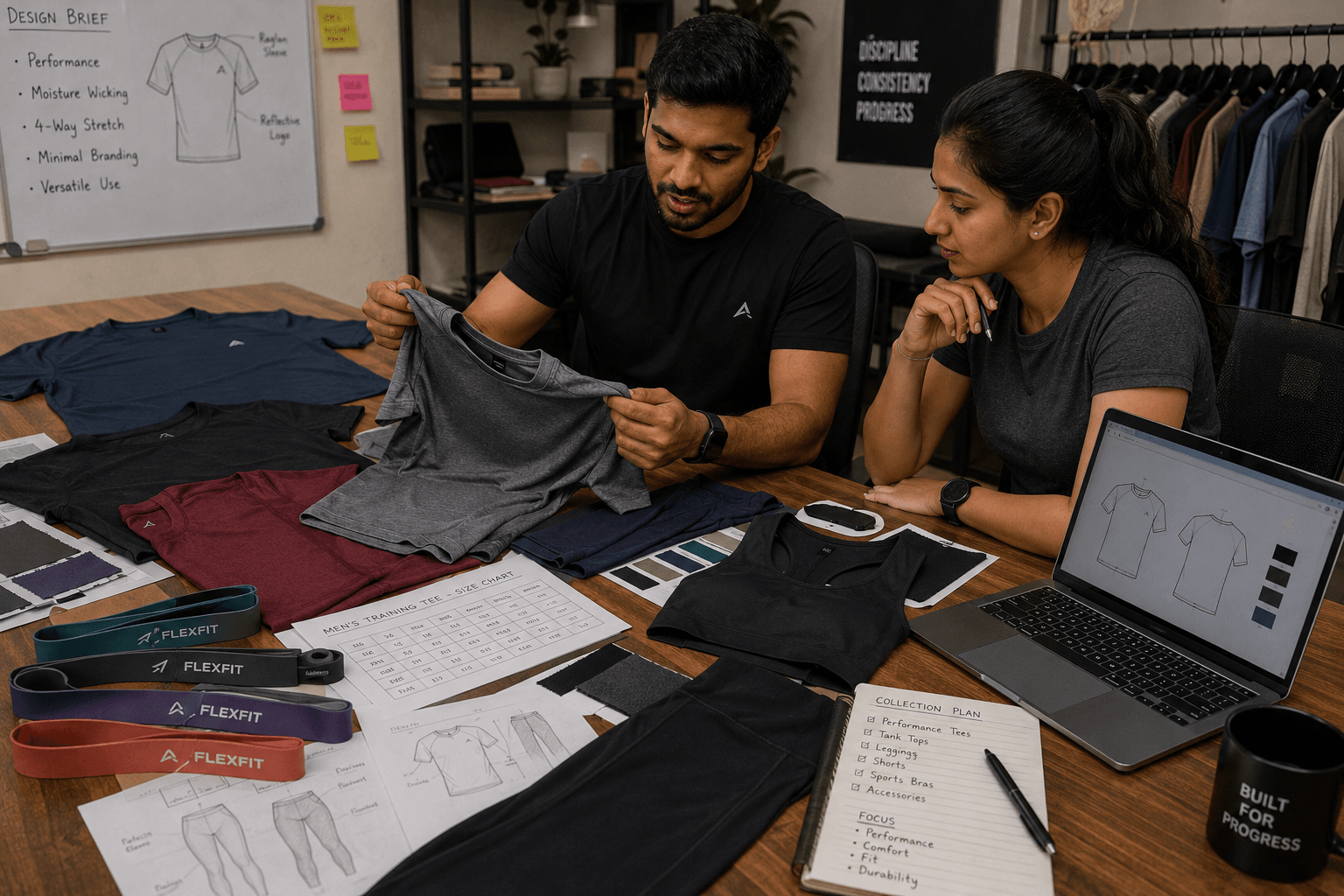
How to Start a Sportswear / Fitness Gear Brand in India
Use this guide to understand:
- Sportswear business models and niches
- Market research and brand positioning
- Product and collection development
- Manufacturing, registrations, and GST
- Launch channels and basic operations
Related Guide:
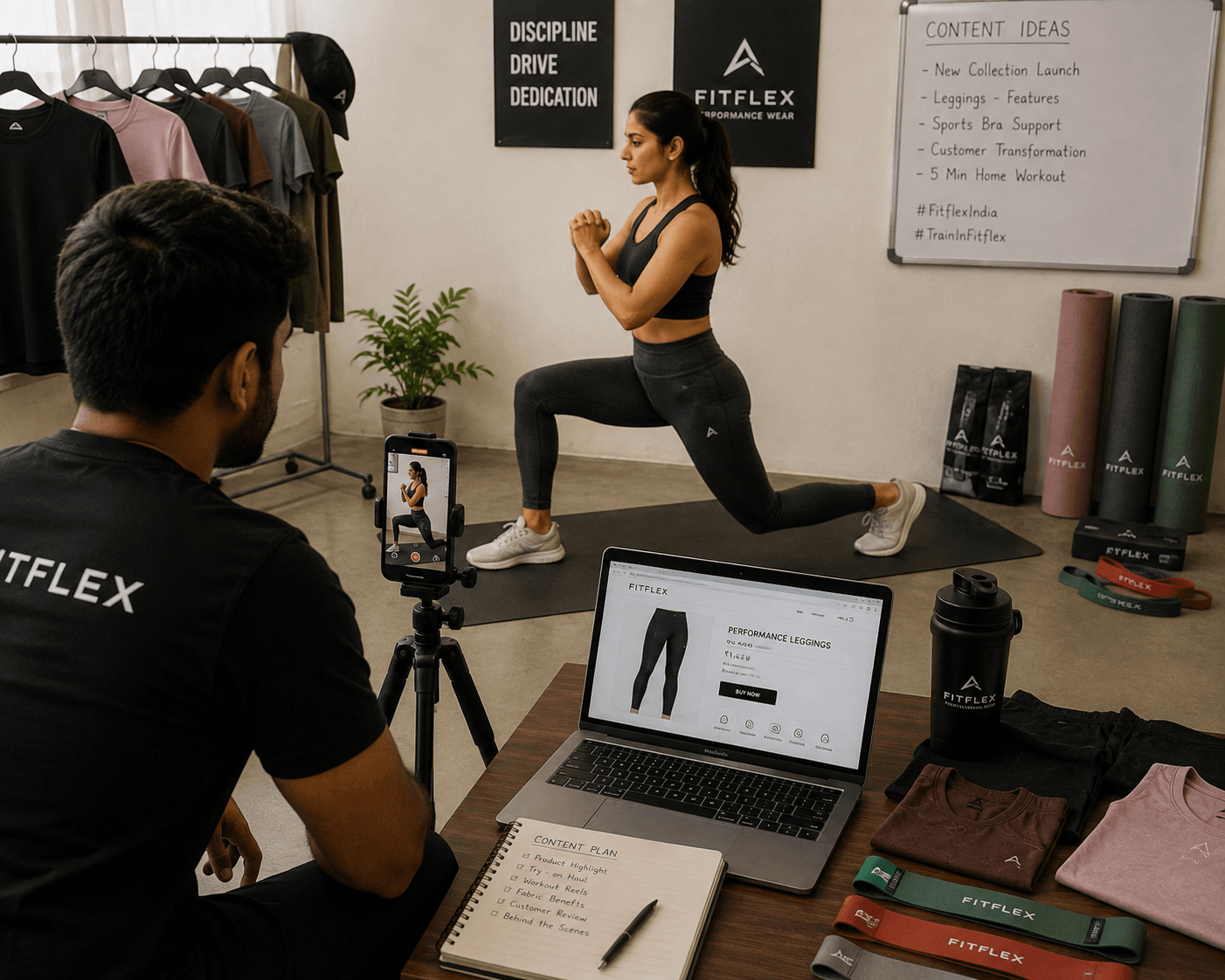
How to Grow a Sportswear / Fitness Gear Brand in India
Use this guide to understand:
- Brand performance and collection planning
- Average order value and bundles
- Community and customer experience
- Online and omnichannel sales
- Manufacturing, sourcing, and quality control
- Margins, cash flow, and customer management
After starting and growing the brand, the next question is how to scale without losing control.
Scaling a sportswear or fitness gear brand is not only about entering more channels or signing more collaborators. It means building a repeatable system that can manage multiple collections, factories, suppliers, channels, campaigns, inventories, teams, and customer relationships while protecting fit, performance, margins, and brand trust.
This guide explains how to move from a successful sportswear or fitness gear brand to a more structured, multi channel, and scalable business.
Table of Contents
- Confirm that the core brand is ready
- Standardize the customer and brand experience
- Build a scalable collection strategy
- Centralize inventory, sizing, and supplier data
- Create a repeatable launch and collaboration process
- Build online and omnichannel sales
- Strengthen customer retention and referrals
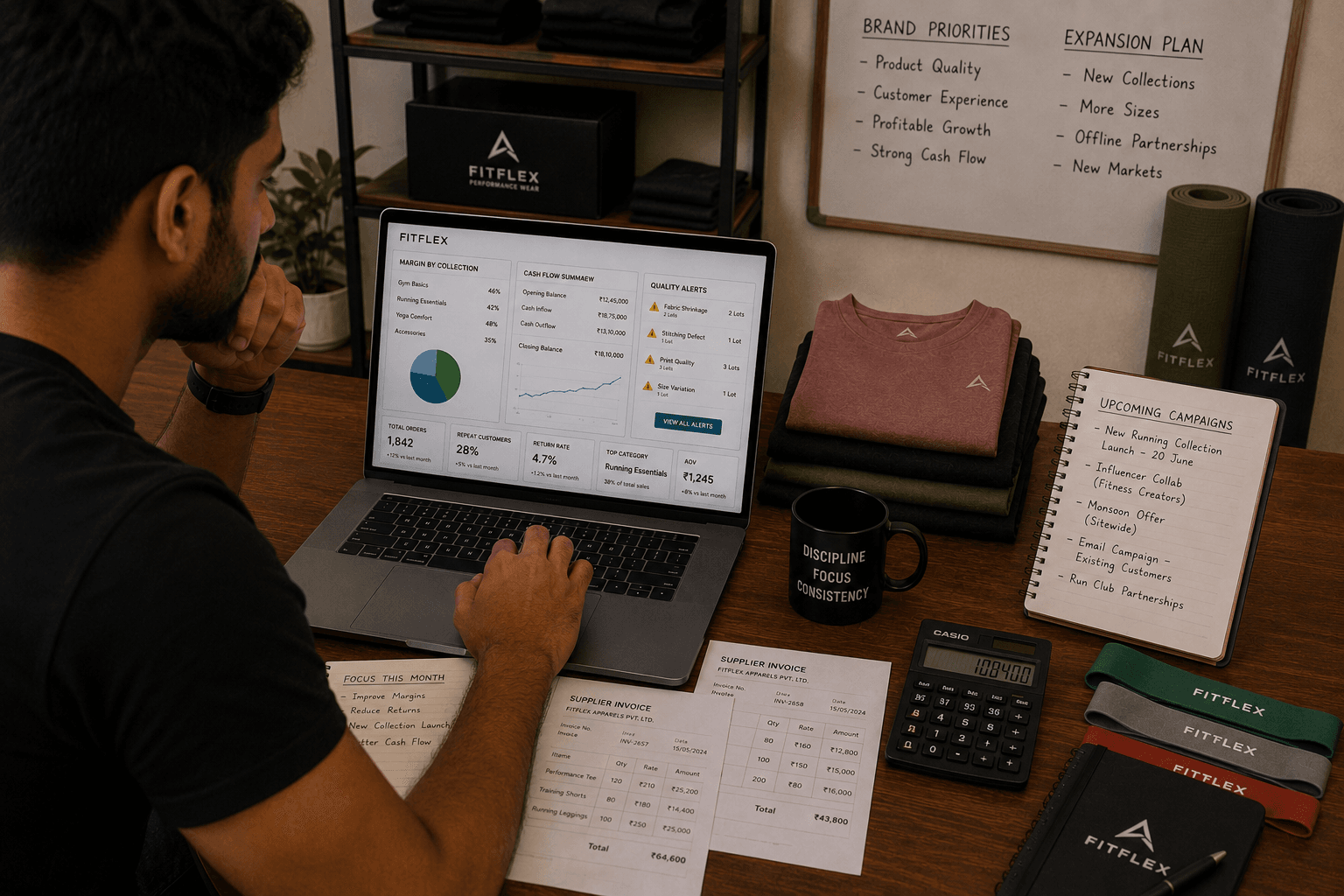
- Protect margins, cash flow, and brand risk
- Use a Brand ERP and Zopkit to manage scale
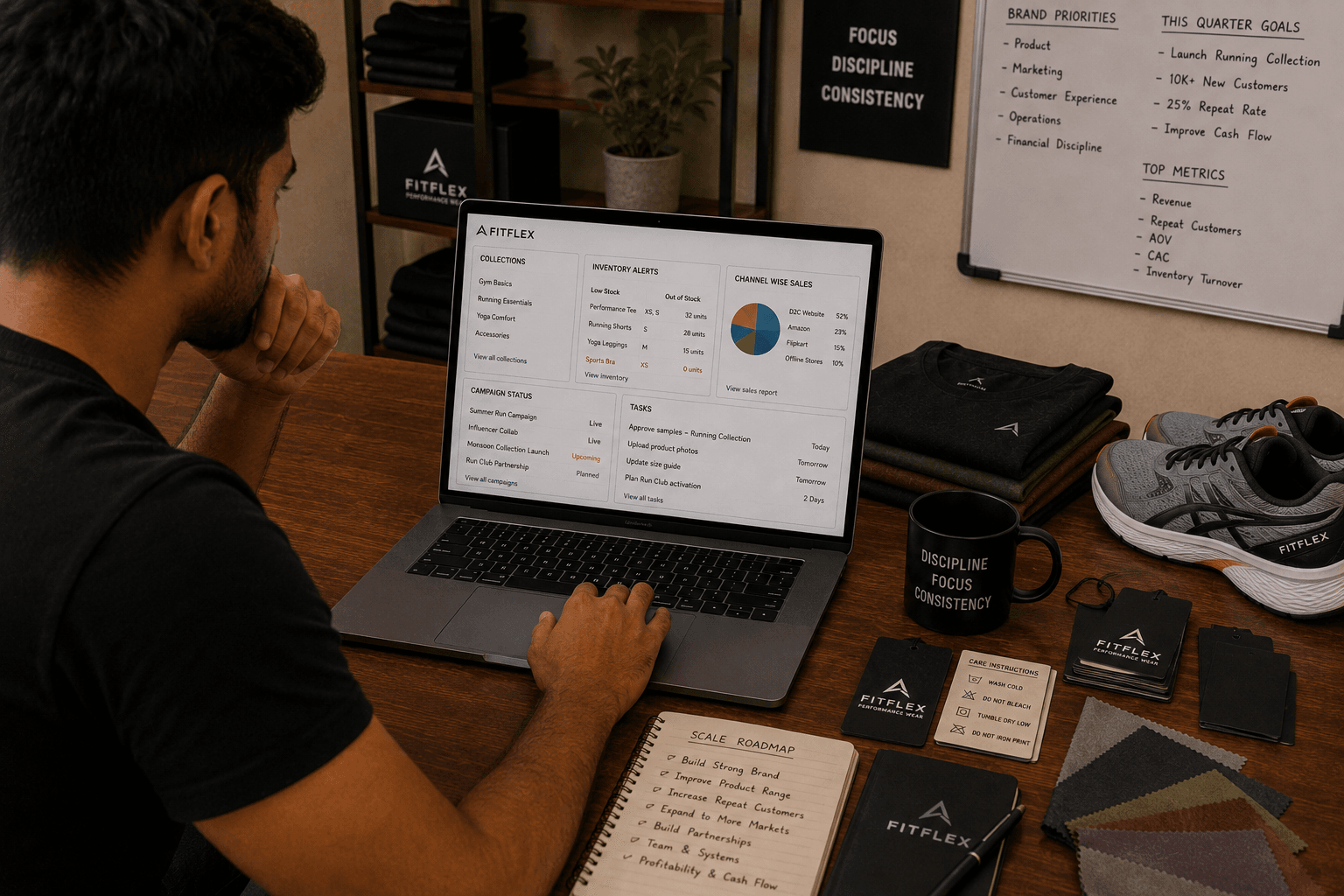
- Plan a phased expansion roadmap
1. Confirm That the Core Brand Is Ready
Before scaling, confirm that your existing sportswear or fitness gear business is stable and predictable.
Check whether you have:
- Consistent monthly sales across key
- Repeat customers and positive word of mouth
- Reliable manufacturers and suppliers
- Accurate inventory and size records
- Controlled return and complaint rates
- Campaigns that produce reasonably predictable results
- Basic financial and GST records under control
Track:
- Sales and margin by collection and category.
- Average order value and units per order.
- Repeat purchase rate and key customer segments.
- Return reasons, especially fit, fabric, and quality issues
- Stock ageing and slow moving items
- Cash locked in inventory versus cash available for growth.
If fit issues, quality inconsistency, and stock confusion are common, and operations depend heavily on the founder checking everything personally, the brand is not yet ready for scale. Scaling should extend a working model, not multiply unresolved problems.
2. Standardize the Customer and Brand Experience
A scalable sportswear brand needs a consistent customer experience across website, marketplaces, social content, and any offline touchpoints.
Standardize how you present products:
- Clear size charts and fit guidance for each collection
- Simple explanations of fabric, performance, and care
- Real visuals that show movement and usage, not only flat lay pictures
- Honest expectations about durability and performance
Standardize core workflows:
- Product page creation, including photos, descriptions, and specifications
- Handling inquiries about fit, fabric, and usage
- Returns and exchanges, with clear documentation of reasons
- Packaging and unboxing experience
- Complaint handling, including escalation and resolution rules
Train your team to:
- Ask the right questions about customer activity and preferences
- Suggest relevant products or sets without pushing unnecessary items
- Record recurring issues in a structured way so they feed back into product and collection decisions
Your goal is that customers receive a similar level of clarity, care, and respect whether they interact via your site, marketplaces, social channels, or physical partners.
Zopkit Project Management can help document these processes and turn them into recurring tasks and reviews, making the brand experience more repeatable as you scale.
3. Build a Scalable Collection Strategy
Scaling is not just launching more designs. It is building collections that are easy to explain, manufacture, stock, and replenish at larger scale.
Organize products into:
- Core training basics that drive steady demand
- Activity specific collections for running, yoga, gym, and home workouts
- Athleisure sets that support everyday wear
- Performance accessories and equipment
- Limited or premium capsules that build aspiration
Create collection themes such as:
- Everyday gym basics
- Running essentials
- Yoga and studio comfort
- Home workout starter kit
- Performance edit for more serious training
Review each collection using four questions:
- Does it attract a clear customer group?
- Does it offer options at different price points?
- Does it deliver healthy margin?
- Does it reinforce the brand promise?l
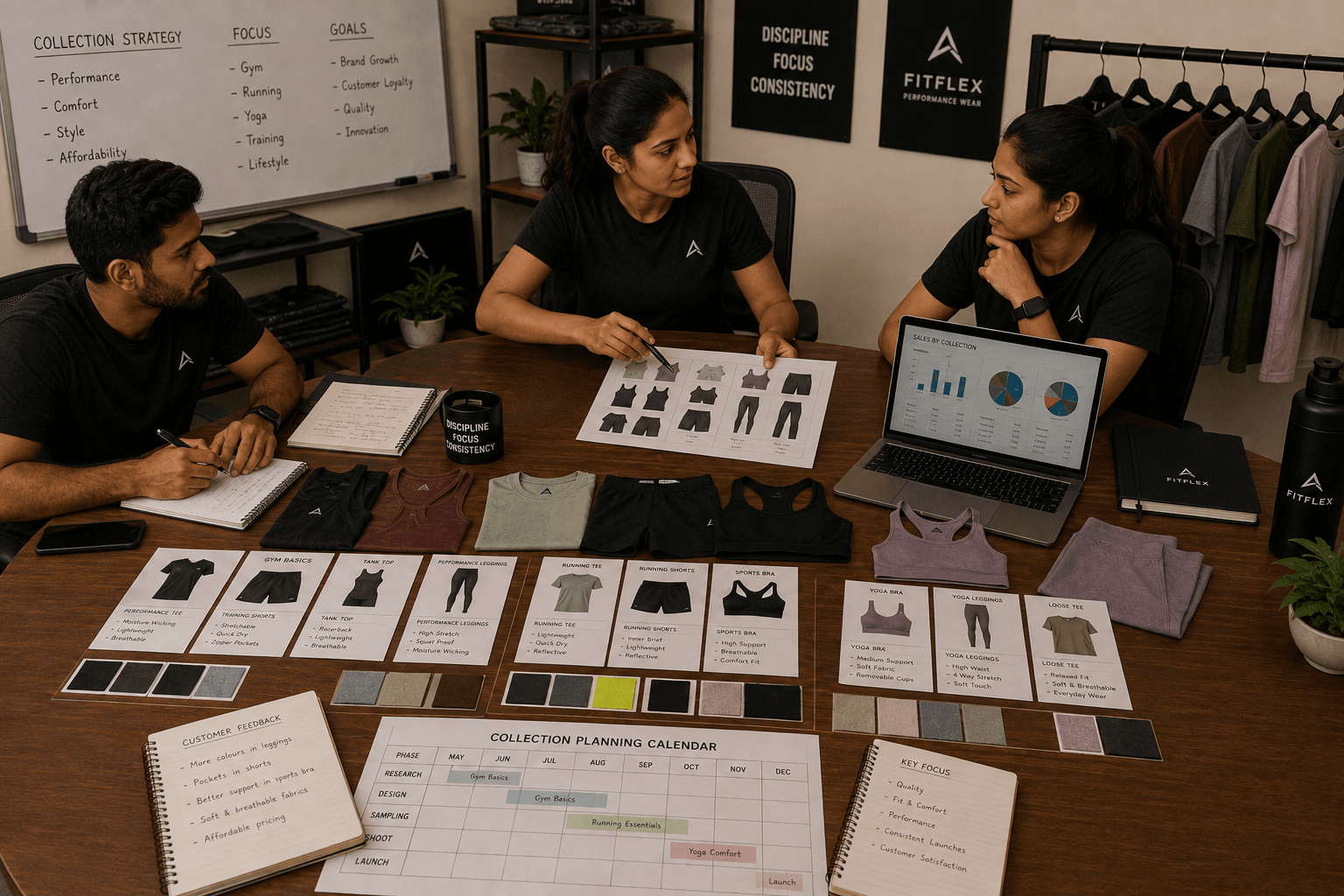
Build a collection calendar with:
- Design concept and target segment
- Product count and size runs
- Fabric and supplier plan
- Cost and pricing assumptions
- Photography and content needs
- Launch date and campaign plan
- Inventory targets and success metrics
Batch design, sampling, content, and launch work so your team does not reinvent the process for every single style. This makes scaling collections more efficient and consistent.
4. Centralize Inventory, Sizing, and Supplier Data
As your brand scales, you must know exactly what exists, in which sizes, and where.
Create a central catalog containing:
- Product codes and collection tags
- Size ranges and measurements
- Fabric composition and key features
- Colour variants and stock per colour
- Supplier and manufacturing batch information
- Stock per location, including warehouse and any partner outlets.
Separate inventory into:
- Saleable stock
- Reserved or pre ordered stock
- Returns awaiting inspection
- Damaged or defective stock
- Samples and display items
Establish routines for:
- Regular inventory checks across locations
- Reconciling website and marketplace stock with physical stock
- Flagging slow moving items and planning for clearance or repositioning
- Tracking which supplier produced which batch for quality and recall if needed
Centralized data reduces mis selling, improves availability, and makes adding new channels or locations easier because underlying stock logic is already organized.
5. Create a Repeatable Launch and Collaboration Process
Scaling usually means more launches and more collaborations with trainers, communities, and other brands.
Turn launches into repeatable projects:
- Pre launch: confirm design, cost, pricing, stock, and target segment
- Content: prepare photos, videos, product pages, and social narratives
- Channel setup: update website, marketplaces, and any partner listings
- Campaign: plan posts, emails, and any paid promotions with simple targets and limits
- Monitoring: track early sales, feedback, and returns
- Retrospective: capture learnings for the next round
Collaborations:
- Partner with trainers, gyms, events, or local communities that align with your brand values
- Define expectations clearly: sample products, content, event presence, and any financial terms
- Measure outcomes beyond vanity metrics, such as new customers, repeat behaviour, or uplift in specific collections.
Use Zopkit Project Management to standardize launch templates and collaboration workflows, assign responsibilities, and track deadlines, so scaling campaigns and partnerships does not depend entirely on memory.
6. Build Online and Omnichannel Sales
Scaling a sportswear or fitness gear brand in India often involves moving from single channel sales to multi channel and eventually omnichannel.
Layers of expansion:
- Deeper D2C via your own website and social commerce
- Broader marketplace presence for reach
- Select offline touchpoints through gyms, studios, or pop ups
- Limited experience centres or stores where feasible
Principles:
- Keep product information consistent across all channels
- Maintain similar pricing logic and quality expectations
- Ensure inventory and orders are synchronized to avoid stock confusion
- Use each channel’s strengths instead of duplicating the same approach everywhere .
Gradually connect channels so customers can:
- Discover the brand in different places
- Recognize collections and brand narrative consistently
- Access similar support regardless of where they buy
Omnichannel scaling makes the brand more visible and resilient, but only when the underlying systems and routines can support it.
7. Strengthen Customer Retention and Referrals
Scaling is easier when existing customers return and recommend the brand, reducing reliance on new acquisition.
Build segments such as:
- Gym and training regulars
- Runners and outdoor athletes
- Yoga and studio customers
- Home workout and equipment buyers
- High engagement community members
Maintain:
- Purchase history and activity focus
- Size and fit preferences
- Feedback and resolved complaints
- Participation in events or challenges
Retention actions:
- Collection previews tailored to each activity segment
- Simple loyalty structures that reward ongoing purchases and engagement
- Care and usage content that helps customers get more from products
- Occasional check ins for feedback and improvement
Referrals:
- Encourage recommendations in ways that fit your brand ethos, such as sharing codes or thank you gestures
- Track which segments respond best to referral approaches and refine over time.
Zopkit CRM can help centralize these segments, interactions, and campaigns, turning retention into a systematic part of scaling, not just an occasional initiative.
8. Protect Margins, Cash Flow, and Brand Risk
As sportswear and fitness gear brands scale, margin pressure and brand risks can increase if not managed consciously.
Margins:
- Regularly calculate true margin after manufacturing, packaging, logistics, returns, discounts, and marketing spend
- Focus scaling on collections and channels that consistently meet margin targets
- Use promotions and events in a way that preserves brand value rather than chasing short term volume
Cash flow:
- Monitor cash cycles from customer payments to supplier and staff payments
- Plan inventory purchases and marketing budgets based on realistic forecasts, not only aspirational targets
- Keep reserves for issues such as batch defects or campaign underperformance.
Brand risk:
- Watch for quality dips as new factories and suppliers are added
- Ensure collaborations and campaigns align with brand values and product reality
- Document and enforce standards for fit, fabric, performance claims, and communication style.
Scaling is safest when profit, cash cycles, and brand trust stay healthy while volume rises.
9. Use a Brand ERP and Zopkit to Manage Scale
As the brand scales, juggling separate tools for catalog, stock, orders, campaigns, suppliers, and staff becomes harder.
A Brand ERP or structured system should connect:
- Product master data and collections
- Inventory across warehouses, channels, and partners
- Orders and returns from all channels
- Supplier purchases and manufacturing runs
- Customer profiles and segments
- Campaign performance and financial data
Zopkit can support the wider operating structure through:
- Zopkit CRM for customers, segments, activity focus, and retention campaigns
- Zopkit Finance for invoices, supplier bills, payments, expenses, cash flow, budgets, and margin analysis
- Zopkit Project Management for collections, launches, collaborations, events, and process improvements
- Zopkit HRMS for staff, roles, attendance, payroll, and onboarding
- Zopkit Academy for product knowledge, sales and support training, community management, and operations learning
Using Zopkit as the backbone, you can scale collections, channels, and campaigns with clearer visibility and fewer surprises.
10. Plan a Phased Expansion Roadmap
Scaling works best when it follows a thoughtful roadmap instead of sudden jumps.
Suggested phases:
Phase 1: Stabilize core collections and operations
- Improve fit, fabric, quality, and returns
- Clarify margins and cash flow
Phase 2: Deepen collections and segments
- Build more depth within proven activity niches
- Launch bundles and kits that improve average order value
Phase 3: Strengthen digital and D2C presence
- Refine website, social commerce, and content
- Add new digital campaigns with clear measurement
Phase 4: Expand channels and touchpoint
- Add marketplaces and select offline partners
- Connect inventory and customer experience across them
Phase 5: Grow collaborations and communities
- Work with more trainers, clubs, and events
- Embed the brand more deeply into fitness cultural
Phase 6: Consider new markets or categories
- Explore adjacent segments or regions once systems and trust are strong
Move to the next phase only when the current one is stable and repeatable. Scaling a sportswear or fitness gear brand in India is a long term project, not a single campaign.
Conclusion
Scaling a sportswear or fitness gear brand in India is not simply adding more designs or opening more stores. It is about building a repeatable brand system: consistent customer experience, structured collections, centralized inventory and supplier data, disciplined launches and collaborations, connected channels, strong retention, healthy margins, and clear control over quality and cash flow.
When these elements are supported by a backbone for customers, finance, projects, people, and training, the brand becomes easier to grow without losing its identity or reliability.
Zopkit supports this wider operating structure through CRM, Finance, Project Management, HRMS, and Academy, helping sportswear and fitness brands manage customers, money, collections, campaigns, teams, and learning as they scale.
Explore how Zopkit can support your sportswear or fitness gear brand at zopkit.com.