How to grow an sportswear / fitness gear
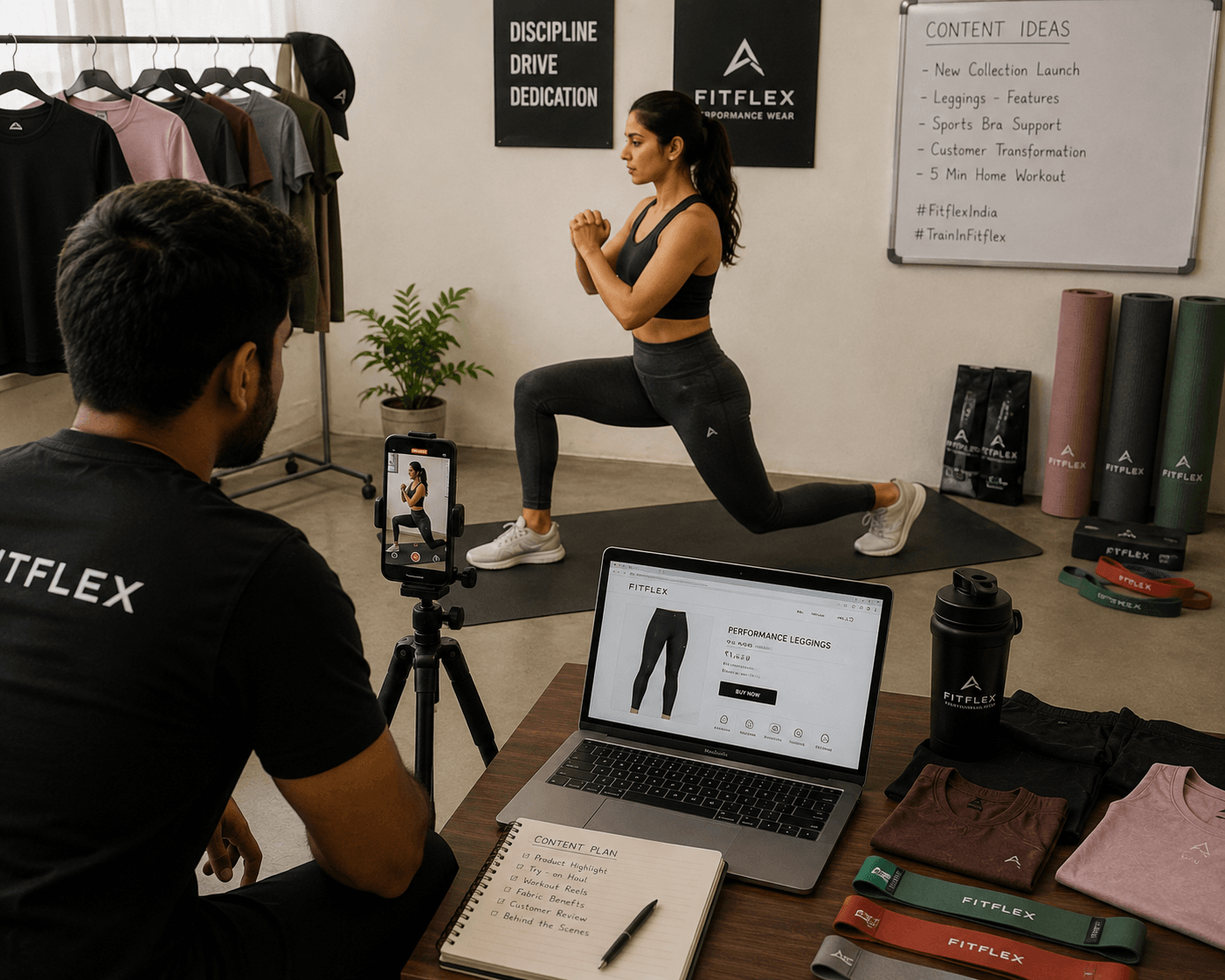
Growing a sportswear or fitness gear brand in India is not only about launching more designs or collaborating with more influencers. It means improving collection performance, increasing average order value, building repeat customers, sharpening brand positioning, strengthening manufacturing quality, growing online and offline presence, and controlling margins and cash flow in a fast‑growing but competitive market.
If you are still deciding your model, building your first collection, arranging manufacturing, or setting up registrations, begin with the Start guide first.
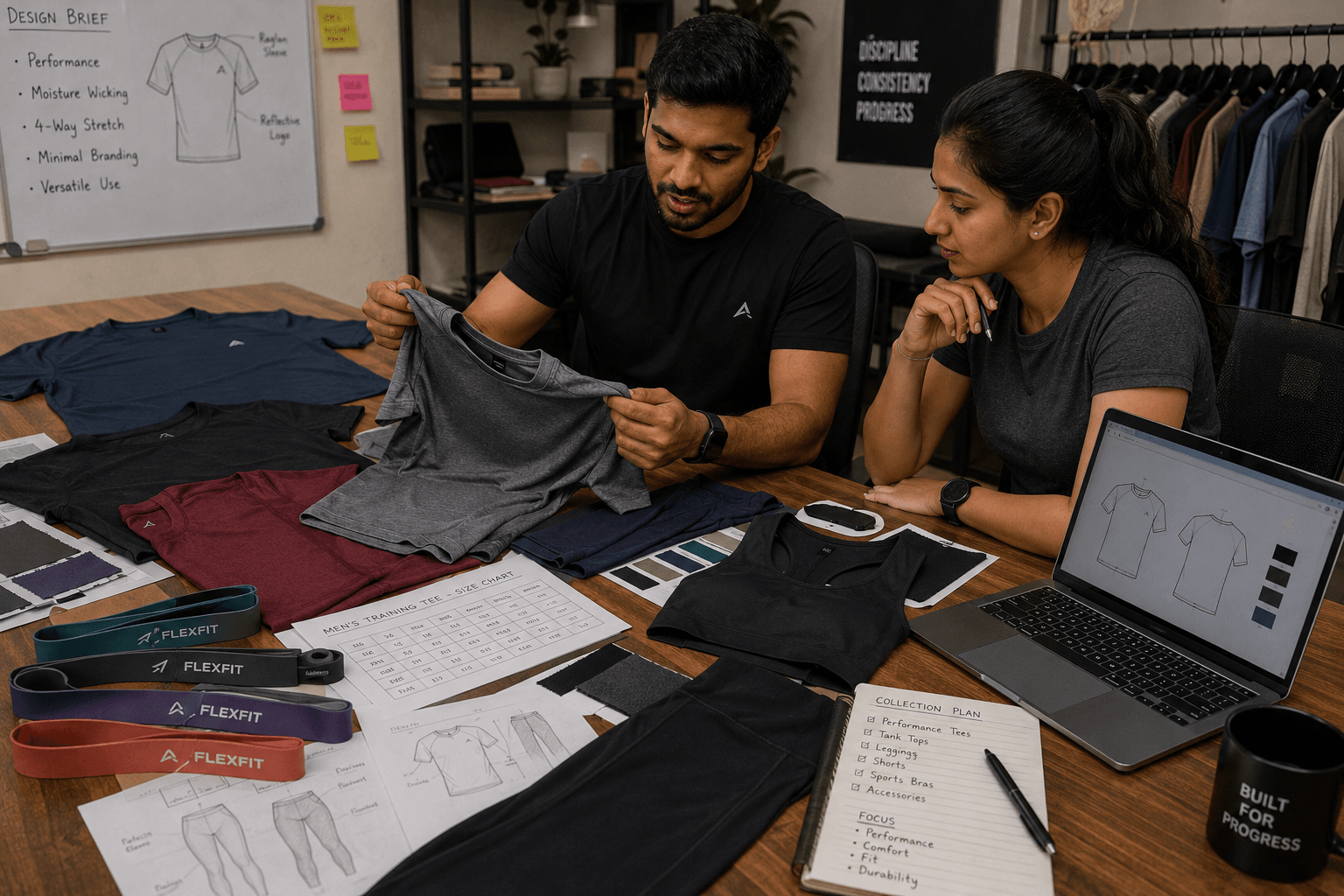
Related Guide:
How to Start a Sportswear / Fitness Gear Brand in India
Use that guide to understand:
- Sportswear business models and niches
- Market research and brand positioning
- Product and collection development
- Manufacturing, registrations, and GST
- Launch channels and basic operations
Once the brand is running, the next challenge is growth. This guide explains how to move from a functioning sportswear or fitness gear brand to a stronger, more profitable, and more organized business.
Table of Contents
- Understand your current brand performance
- Strengthen your product and collection strategy
- Increase average order value
- Improve customer experience and community
- Build repeat customers and loyalty
- Grow online and omnichannel sales
- Improve manufacturing, sourcing, and quality control
- Protect margins and cash flow
- Use a Brand ERP and Zopkit to organize growth
- Prepare for expansion
1. Understand Your Current Brand Performance
Before trying to grow, understand which parts of your sportswear or fitness gear business are already working and which need attention.
Review the last six to twelve months:
- Sales by category (apparel vs accessories vs equipment)
- Sales by price range (entry, mid, premium)
- Average order value and units per order
- Best‑selling designs and colours
- Slow‑moving inventory and dead stock
- Online vs offline sales share
- Repeat purchase rate and geographic spread
- Return and exchange reasons
- Campaign performance (discounts, influencer work, paid ads)
Use this performance table:
Metric | What it helps you understand |
|---|---|
Average order value | Cash collected per order |
Units per order | Depth of each purchase |
Repeat purchase rate | Brand loyalty and product satisfaction |
Inventory age | Risk of old or irrelevant stock |
Margin by category | Where profit is generated |
Return rate | Product or expectation issues |
Campaign revenue | Which marketing activities work |
Sportswear and fitness gear operate in a growing market, but not every brand grows equally. The goal is to stop guessing from memory and start improving based on actual numbers.
2. Strengthen Your Product and Collection Strategy
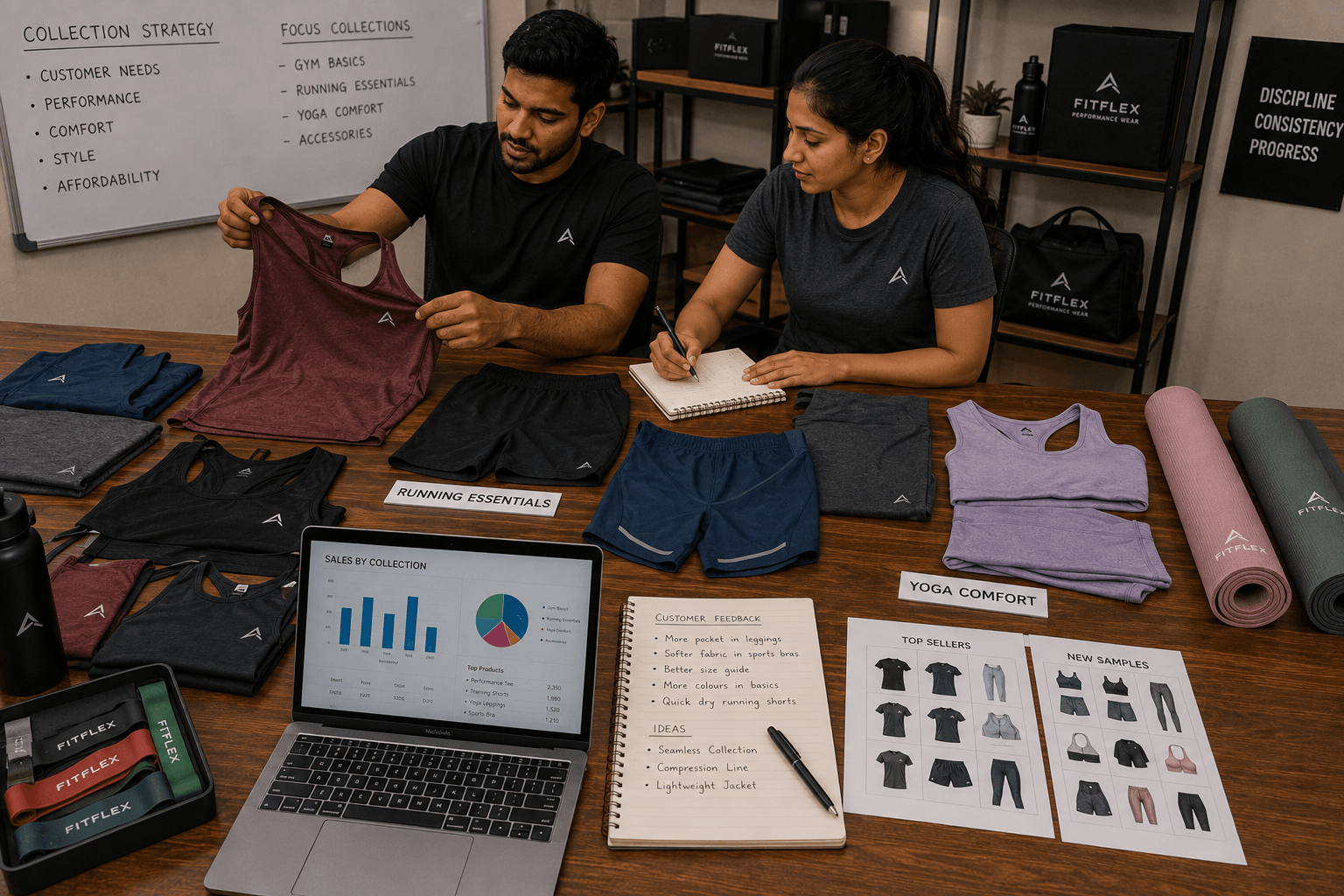
Sportswear and fitness gear customers buy around activities, comfort, outcomes, and identity. A strong collection strategy makes it easier for them to find relevant products and see why your brand is different.
Organize your products into:
- Everyday gym and training wear
- Running and outdoor collections
- Yoga and studio wear
- Athleisure and casual activewear
- Performance accessories (bands, gloves, belts)
- Home workout gear
- Premium or limited collections
Design collections rather than random assortments. Examples:
- “Gym basics” for entry‑level customers
- “Running essentials” for regular runners
- “Yoga and studio comfort” sets
- “Home workout starter kits” combining apparel and gear
- “Performance edit” for more serious training customers
Review each collection using four questions:
- Does it attract the right customer?
- Does it offer enough variety at different price points?
- Does it provide healthy margin?
- Does it strengthen the brand story?
Reduce products that remain unsold for long periods or create frequent complaints. Use customer feedback from reviews, returns, and community conversations to decide which new products and collections to launch next.
3. Increase Average Order Value
Sportswear and fitness gear growth often comes from helping customers complete a set or solve more than one need per purchase, rather than only selling single items.
Use combinations such as:
- T‑shirt with shorts or leggings
- Sports bra with leggings and a layering top
- Resistance bands with a yoga mat
- Gloves or belt with training apparel
- Starter kits for home workouts with multiple accessories
Create clear options at different levels:
- Entry option for basic needs
- Better‑value option with bundles or added features
- Premium choice with higher performance or design focus
You can increase order value through:
- Bundled sets for specific activities (gym, running, yoga at home)
- Small add‑on accessories placed near checkout or in recommendation sections
- Limited‑time kits tied to seasons, events, or challenges
- Loyalty benefits that reward larger orders over time
For higher ticket fitness gear, explain pricing components transparently:
- Product cost and features
- Warranty and support
- Any financing or EMI options
- Included accessories or content (programs, guides)
The best cross‑selling feels like completing the customer’s use case, not forcing unrelated products.
4. Improve Customer Experience and Community
Sportswear and fitness gear are connected to identity and habit. Customers often care as much about how the brand makes them feel as about the price.
Improve experience by:
- Providing clear size charts, fit guidance, and fabric explanations on product pages
- Showing products in real Indian settings, not only studio shots
- Offering practical usage tips, such as how to layer for different temperatures or how to care for fabrics and gear
- Making returns and exchanges simple and fair within your policy
Build community elements:
- Share real customer stories, such as progress in fitness journeys using your products
- Run small challenges or events, online or offline, that encourage movement and engagement
- Collaborate with trainers, runners, or local fitness leaders who genuinely use your products
When customers see that your brand understands their lifestyle, they are more likely to trust your recommendations and stay with you for future purchases.
5. Build Repeat Customers and Loyalty
Sportswear and fitness gear buying cycles can be longer than basic fashion, but customers often return for upgrades, replacements, new routines, and gifting.
Maintain customer records with consent:
- Contact details and basic profile
- Activity focus (gym, running, yoga, home workouts)
- Size and fit preferences
- Products purchased and feedback
- Important dates such as membership anniversaries or events
Create customer segments such as:
- New to fitness
- Regular gym goers
- Runners and outdoor athletes
- Yoga and studio customers
- Home workout buyers
- Premium or high‑commitment customers
Useful retention activities:
- New collection previews based on activity segments
- Seasonal reminders (summer training, winter layering, event prep)
- Size and fit tips drawn from past purchases
- Loyalty programs with simple, transparent benefits
- Occasional check‑ins asking for feedback on product performance
Avoid sending the same generic promotion to everyone. Customers who buy heavy home equipment have different needs than those who buy basic gym T‑shirts, and your communication should reflect this.
Zopkit CRM can help organize customer profiles, segments, purchase history, preferences, and campaigns so you can build relationships instead of treating every sale as standalone.
6. Grow Online and Omnichannel Sales
Sportswear and fitness gear customers often discover brands online and then decide where to buy based on convenience, trust, and offers.
Use:
- Your own website or D2C store
- Marketplaces for broader reach
- Instagram, YouTube, and other social channels
- WhatsApp Business for conversations and order support
- Occasional physical pop‑ups or gym partnerships
Content should show:
- Real‑world use of apparel and gear in Indian contexts
- Fit and movement, not only flat lay pictures
- Activity‑based storytelling, such as running, training, or yoga routines
- Honest explanations of performance, care, and durability
Connect channels so customers can:
- Discover products on social or marketplaces
- Ask questions on WhatsApp
- Buy via your site, marketplaces, or offline partners
- Receive consistent support and follow‑up regardless of channel
As you grow, omnichannel selling becomes an important way to reach both metro and non‑metro customers. The underlying systems should keep product information and inventory aligned across all touchpoints.
7. Improve Manufacturing, Sourcing, and Quality Control
As orders increase, quality issues can quickly damage reputation if manufacturing and sourcing are not controlled.
Track for each product:
- Fabric composition and source
- Measurements per size and any deviations observed
- Stitching and construction details
- Fitness of samples versus bulk production
- Quality issues reported by customers, such as fading, tearing, or discomfort
For fitness gear:
- Material specifications, durability, and load limits where relevant
- Safety instructions and warnings
- Warranty and support terms
Maintain supplier records:
- Pricing and minimum order quantities
- Lead times and reliability
- Quality history and defect rates
- Flexibility for improvements and special runs
Conduct periodic checks:
- Fit and fabric comparison against initial standards
- Colour and print consistency
- Random inspections across batches
A sportswear or fitness brand that invests in consistent quality builds trust and reduces costly returns and complaints over time.
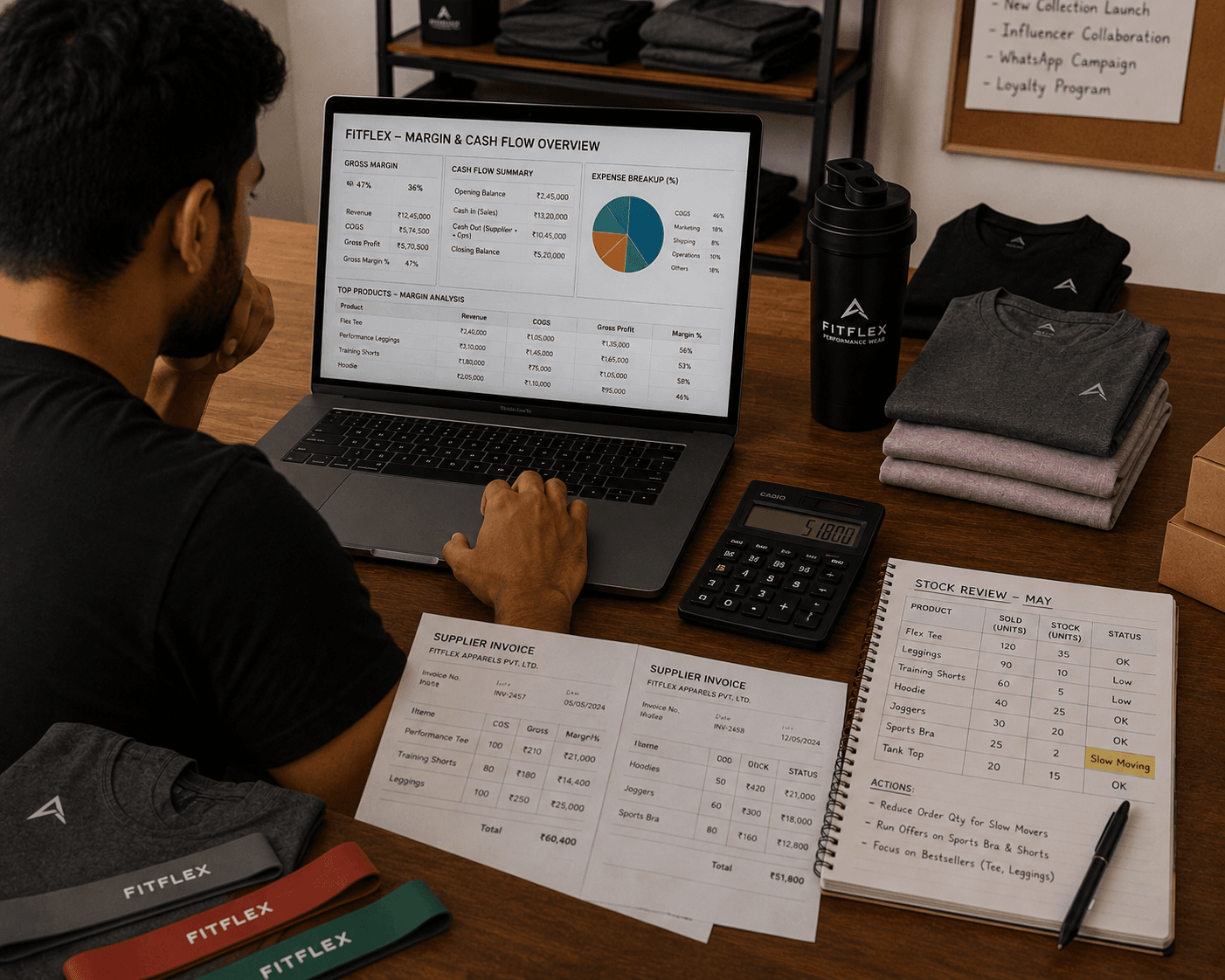
8. Protect Margins and Cash Flow
Growth can feel good on the surface, but sportswear and fitness gear brands can face margin pressure from discounts, returns, and rising acquisition costs.
Track:
- Gross margin by product and collection
- Marketing spend and returns for each major campaign
- Shipping and logistics costs per order
- Return and exchange impact on profitability
- Cash inflows from sales and outflows to suppliers, ads, and operations
Create controls for:
- Discounting and sale events
- Minimum margin thresholds for promotions
- Inventory purchases relative to proven demand
- Payment terms with suppliers and agencies
Plan a monthly finance review that covers:
- Sales, margin, and key cost lines
- Inventory value, focusing on slow‑moving stock
- Cash available and commitments due
- Performance of major marketing and influencer campaigns
Zopkit Finance can help organize invoices, supplier bills, expenses, cash flow, budgets, and profitability reporting, so growth decisions rely on numbers rather than only on surface impressions.
9. Use a Brand ERP and Zopkit to Organize Growth
As your sportswear or fitness gear brand grows, separate tools for inventory, orders, campaigns, suppliers, and staff can create gaps.
A Brand ERP or structured system should connect:
- Product catalog and collections
- Inventory and warehouse data
- Orders from website, marketplaces, and offline channels
- Supplier purchases and manufacturing runs
- Customer records and segments
- Marketing campaigns and results
- Basic financial data and reporting
Zopkit can support the wider operating structure through:
- Zopkit CRM: Customers, segments, activity focus, and retention campaigns.
- Zopkit Finance: Invoices, supplier bills, payments, expenses, cash flow, budgets, and margins.
- Zopkit Project Management: Collections, launches, collaborations, content production, and operations projects.
- Zopkit HRMS: Staff, roles, attendance, payroll, and onboarding.
- Zopkit Academy: Product knowledge, sales and support training, community and event management learning.
This backbone makes growth more organized, particularly when you are juggling multiple collections, campaigns, and channels.
10. Prepare for Expansion
Once the brand has stable demand and reliable operations, consider controlled expansion.
Paths include:
- Introducing new collections for specific sports or segments
- Deepening distribution in more cities and channels
- Strengthening presence on marketplaces while protecting brand positioning
- Collaborating with more gyms, coaches, and communities
- Exploring international or export opportunities when appropriate
Before expanding, confirm that:
- Product quality and manufacturing are consistent
- Collections and positioning are clear to customers
- Inventory and operations are well‑organized
- Margins and cash flow are healthy
- Staff can handle daily work without constant founder intervention
Expand one collection, channel, or market at a time. In a growing sportswear and fitness market, disciplined expansion often beats aggressive, unfocused scaling.
Conclusion
Growing a sportswear or fitness gear brand in India is not just about releasing more designs or increasing social media posts. It requires stronger collections, better product and fit understanding, higher average order value, deeper community and customer relationships, more connected online and offline channels, disciplined manufacturing and sourcing, and careful control of margins and cash flow.
When these elements are supported by structured systems, the brand becomes easier to manage and scale over time.
Zopkit supports this wider business structure through CRM, Finance, Project Management, HRMS, and Academy, helping sportswear and fitness brands manage customers, money, collections, campaigns, people, and training as they grow.
Explore how Zopkit can support your sportswear or fitness gear brand at zopkit.com.