How to Scale a Furniture & Home Decor Store Business in India
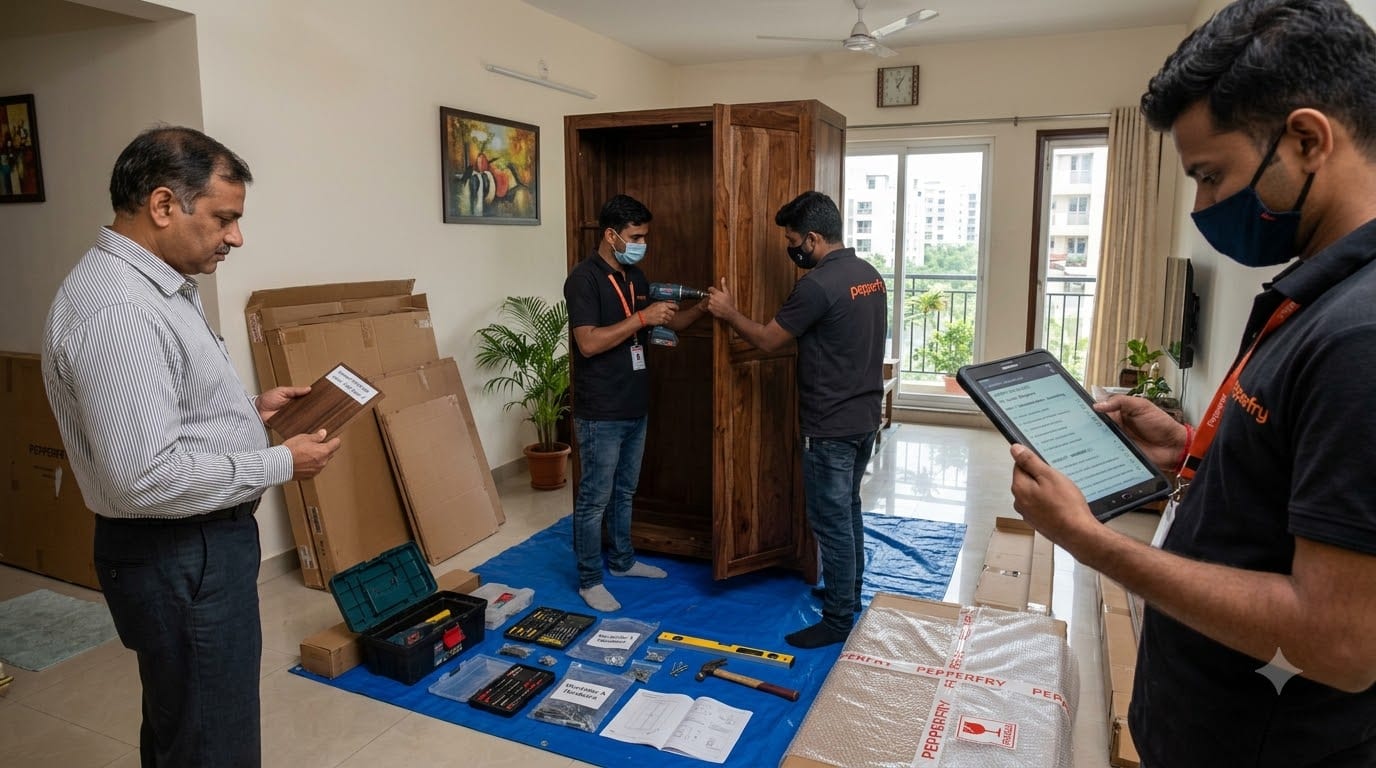
Starting a furniture and home decor store begins with choosing a clear customer segment, selecting the right showroom format, sourcing reliable products, planning delivery and installation, and building a strong customer experience.
If you are still deciding your business model, arranging the showroom, selecting suppliers, or planning your first inventory, begin with the guide below.
Related Guide:
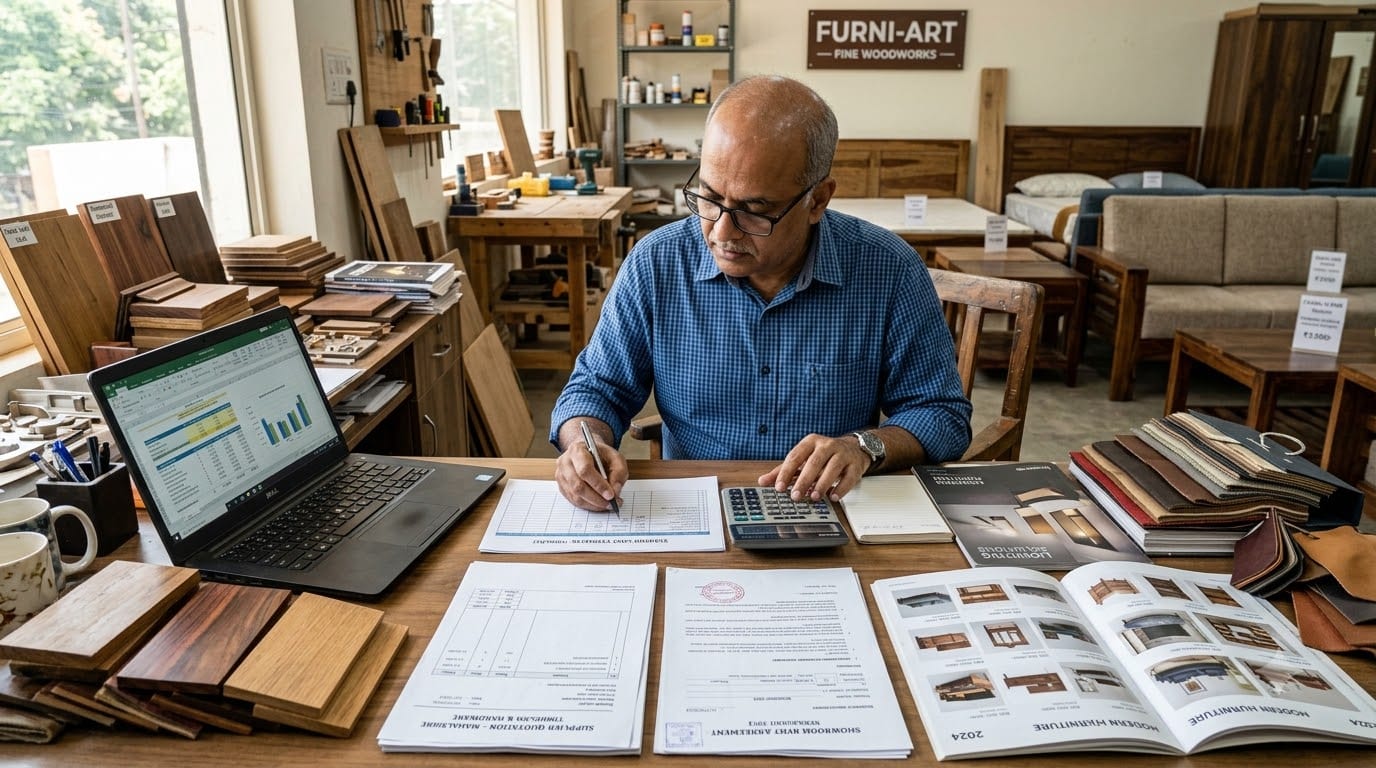
How to Start a Furniture & Home Decor Store Business in India
Use this guide to understand:
- Business model and positioning.
- Market research.
- Showroom and location planning.
- Registrations and licenses.
- Investment and working capital.
- Supplier selection.
- Inventory, delivery, and installation.
Once the store is operational, growth means improving showroom conversion, increasing average order value, building customer relationships, strengthening delivery, and controlling margins.
If you are still trying to improve sales, product movement, customer follow-ups, delivery performance, or cash flow in one store, refer to the guide below before planning expansion.
Related Guide:
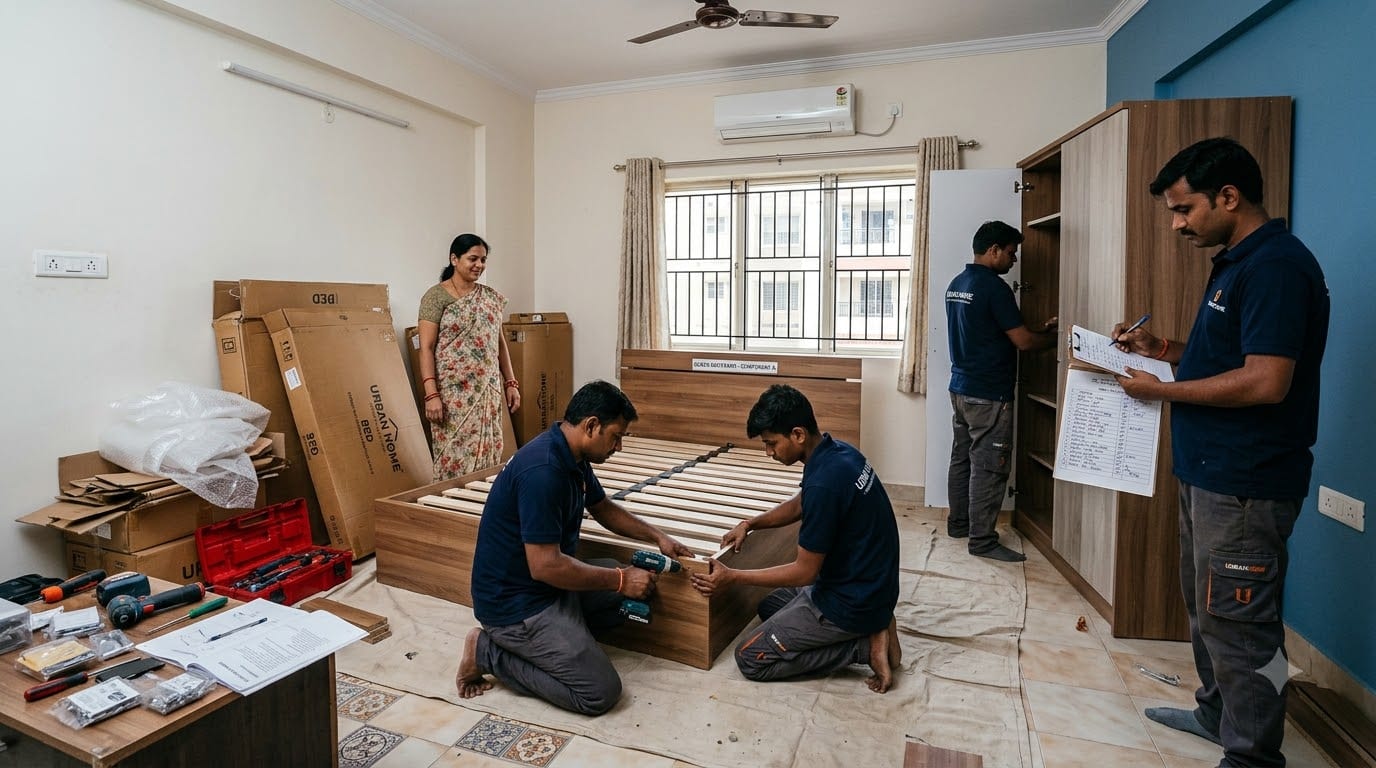
How to Grow a Furniture & Home Decor Store Business in India
Use this guide to understand:
- Store performance and product mix.
- Room-based merchandising.
- Cross-selling and average order value.
- Consultation-led selling.
- Customer loyalty.
- Delivery and installation improvement.
- Margins, inventory, and cash flow.
After starting and growing the business, the next question is how to scale without losing control.
Scaling a furniture and home decor store is not simply about opening another showroom or adding more products. It means turning one successful store into a repeatable business that can manage more customers, custom orders, suppliers, employees, deliveries, installations, and locations while protecting quality and profitability.
Furniture businesses have longer buying cycles, larger order values, and more complex delivery requirements than many other retail categories. That makes systems especially important when the business begins to expand. Retail and furniture ERP systems commonly focus on connecting inventory, custom orders, purchasing, delivery, installation, and multi-location reporting.quantbit+1
This guide explains how to move from a successful showroom to a scalable furniture and home decor business.
Table of Contents
- Confirm that the first store is ready
- Standardize the showroom experience
- Build a scalable product and supplier model
- Create a repeatable consultation and sales process
- Connect online and offline channels
- Manage custom orders, delivery, and installation
- Build customer retention and referral systems
- Protect margins, cash flow, and inventory
- Use an ERP-style operating system
- Plan a phased expansion roadmap
1. Confirm That the First Store Is Ready
Opening a second showroom before the first one is stable can multiply problems instead of revenue.
Before expansion, review whether the current store has:
- Stable monthly sales.
- Predictable cash flow.
- Reliable suppliers.
- Accurate inventory records.
- Clear product margins.
- Consistent delivery and installation.
- A trained sales team.
- Repeat customers and referrals.
- A manager or senior employee who can run daily operations without constant owner supervision.
Look at more than revenue. Review:
- Lead-to-sale conversion.
- Average order value.
- Sales by category.
- Custom-order percentage.
- Delivery delays.
- Installation complaints.
- Stock sitting in the showroom.
- Outstanding customer payments.
- Supplier dues.
- Marketing cost per lead.
If sales are growing but delivery complaints and delayed custom orders are also increasing, the business is not ready for aggressive expansion. Fix the operating bottleneck first.
A second store should repeat a working model. It should not be used to escape problems in the first store.
2. Standardize the Showroom Experience
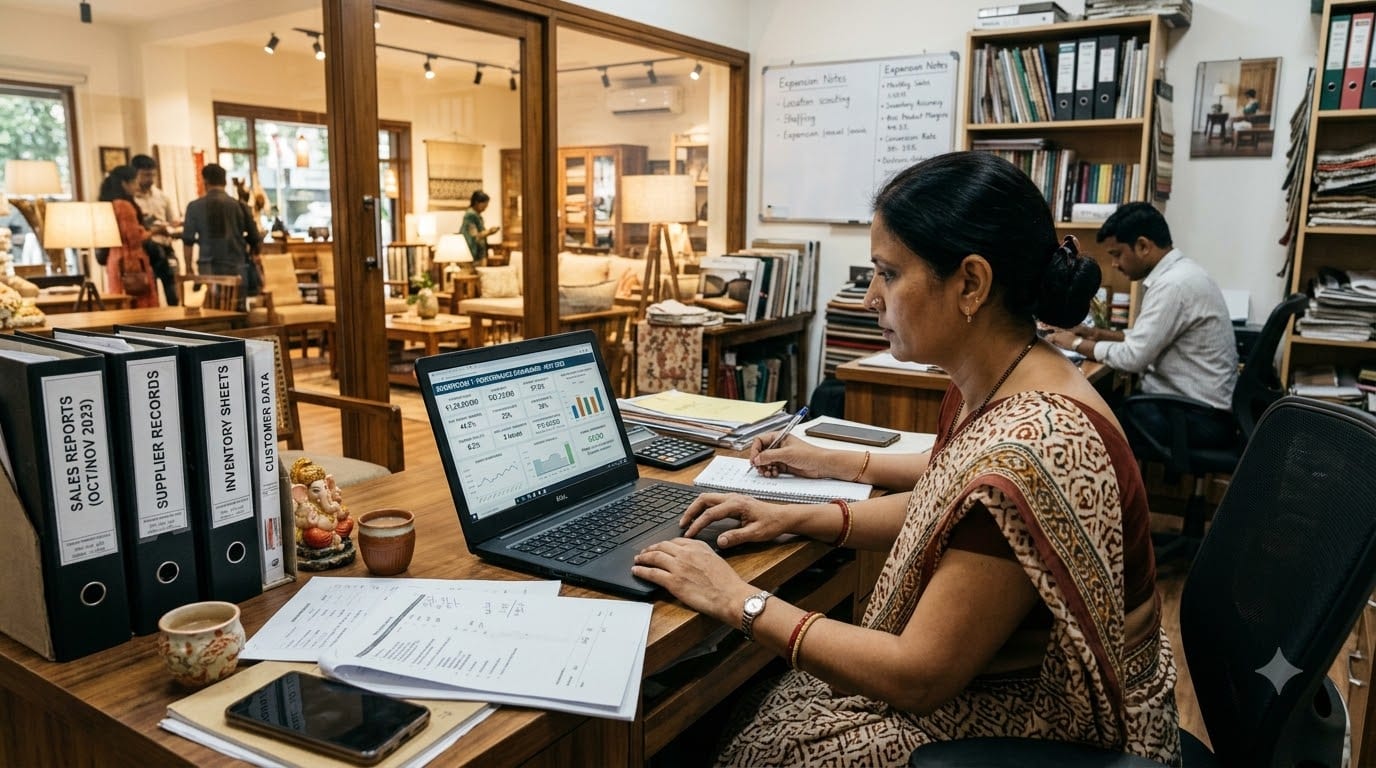
A scalable furniture brand needs a repeatable showroom experience.
Document how each store should handle:
- Customer greeting.
- Space and requirement discovery.
- Product demonstration.
- Material and finish explanation.
- Quotation preparation.
- Discount approval.
- Order confirmation.
- Delivery communication.
- Complaint handling.
Standardize the display experience as well:
- Create complete room settings.
- Use consistent signage and product information.
- Show good, better, and premium options.
- Display dimensions clearly.
- Keep matching decor close to furniture.
- Maintain similar lighting and visual identity across stores.
A customer should feel that the brand is consistent whether they visit the first showroom, a new location, or the website.
Zopkit Project Management can help turn showroom standards into checklists, assigned responsibilities, store-opening tasks, merchandising projects, and recurring reviews.
3. Build a Scalable Product and Supplier Model
Scaling becomes difficult when every showroom has a different product range and every supplier relationship is informal.
Create a central product catalog with:
- Product code.
- Category.
- Dimensions.
- Material.
- Finish.
- Color.
- Supplier.
- Purchase cost.
- Selling price.
- Warranty.
- Display or sale status.
Divide products into clear roles:
- Anchor products: Sofas, beds, dining tables, wardrobes.
- Supporting products: Side tables, chairs, benches, storage units.
- Decor products: Lighting, rugs, cushions, wall art, accessories.
- Custom products: Made-to-measure or made-to-order items.
- Premium products: Higher-value products with stronger design or material differentiation.
For suppliers, track:
- Rates.
- Lead times.
- Minimum order quantities.
- Quality consistency.
- Payment terms.
- Replacement policy.
- Damage history.
- Delivery performance.
Central purchasing may help you negotiate better terms for common products, while local sourcing may be more useful for regional or handcrafted items.
Do not scale the product catalog simply by adding more designs. Expand around products that already show demand, healthy margins, and reliable fulfillment.
4. Create a Repeatable Consultation and Sales Process
Furniture customers usually need help before they make a decision. Scaling sales means teaching every sales employee how to guide the customer consistently.
The consultation should cover:
- Room size.
- Available measurements.
- Intended use.
- Family requirements.
- Style preference.
- Material preference.
- Budget.
- Delivery timeline.
- Customization requirements.
Instead of showing every product, train staff to show two or three suitable options.
A good sales process should include:
- Understand the customer’s space.
- Identify their practical and design requirements.
- Present suitable products.
- Explain materials, dimensions, and maintenance.
- Show complementary products.
- Share a clear quotation.
- Record the next follow-up date.
- Confirm delivery and installation expectations.
Track every serious inquiry, even if it does not convert immediately. Furniture purchases may take weeks or months, and a customer who does not buy today may return later for another room.
Zopkit CRM can help organize customer inquiries, preferences, quotations, follow-ups, purchase history, and future requirements.
5. Connect Online and Offline Channels
Furniture customers often discover products online, visit a showroom, compare options on WhatsApp, and then complete the order through a salesperson.
Your channels should work together:
- Website or catalog for discovery.
- Instagram and Pinterest for visual inspiration.
- WhatsApp for questions and quotations.
- Showroom for touch, trial, and consultation.
- Digital updates for order, delivery, and installation.
Maintain consistency across channels:
- Product details.
- Dimensions.
- Price ranges.
- Finishes.
- Delivery expectations.
- Customization options.
- Warranty information.
An online catalog does not need to show every product immediately. Begin with hero products, room collections, and products that can be explained clearly.
Useful digital features include:
- Consultation appointment requests.
- Quote requests.
- Measurement submission.
- Product comparison.
- Order-status updates.
- Delivery notifications.
Omnichannel furniture retail works best when customers can move between online and offline touchpoints without losing information or receiving conflicting promises.
6. Manage Custom Orders, Delivery, and Installation
A furniture order is often a project rather than a simple retail transaction.
A custom or high-value order may involve:
- Customer measurements.
- Material selection.
- Design approval.
- Supplier coordination.
- Production.
- Quality inspection.
- Packaging.
- Delivery scheduling.
- Installation.
- Customer sign-off.
- Warranty follow-up.
Create an order checklist for every custom order:
- Product specifications.
- Measurements.
- Finish and colour.
- Payment status.
- Delivery address.
- Access restrictions.
- Lift or staircase details.
- Installation requirements.
- Customer approval.
- Target completion date.
Use a clear status system:
Quotation → Confirmed → In production → Quality check → Ready for dispatch → Delivered → Installed → Closed
This reduces missed updates and helps the customer understand what happens next.
Zopkit Project Management can help manage custom orders, delivery schedules, installation tasks, supplier dependencies, and post-installation follow-up.
7. Build Customer Retention and Referral Systems
Furniture customers may not purchase every month, but they can become valuable long-term customers.
A customer who buys a sofa may later need:
- Dining furniture.
- Bedroom storage.
- Lighting.
- Rugs.
- Wall decor.
- Office furniture.
- Furniture for another property.
Maintain customer records such as:
- Rooms furnished.
- Style preferences.
- Budget range.
- Products purchased.
- Quotations shared.
- Delivery history.
- Warranty information.
- Follow-up dates.
Create customer segments:
- New homeowners.
- Renovation customers.
- Premium buyers.
- Interior-design customers.
- Repeat buyers.
- Office and commercial clients.
- Customers who purchased only one room.
Useful retention activities include:
- New collection previews.
- Care and maintenance tips.
- Room-completion suggestions.
- Referral rewards.
- Anniversary or housewarming messages.
- Invitations to showroom events.
- Follow-up after installation.
Do not send generic discount messages to every customer. Furniture marketing works better when it is based on the customer’s home, style, and previous purchase.
8. Protect Margins, Cash Flow, and Inventory
Furniture businesses can carry significant inventory value, and slow-moving products can block cash for long periods.
Review:
- Inventory value by category.
- Display stock versus saleable stock.
- Slow-moving designs.
- Custom-order deposits.
- Supplier advances.
- Delivery and installation cost.
- Repair and warranty cost.
- Discounts and clearance sales.
- Customer payment balances.
Track profitability by order, not only by product. A high-value sale may produce a lower actual contribution after customization, transportation, installation, commission, and repairs.
Create controls for:
- Discount approvals.
- Customer deposits.
- Customization changes.
- Supplier advances.
- Refunds.
- Delivery charges.
- Installation charges.
- Warranty commitments.
Zopkit Finance can help organize customer invoices, supplier bills, purchase orders, payments, banking, cash flow, budgets, and profitability reports. This gives the business better visibility into whether growth is improving cash generation or only increasing revenue.
9. Use an ERP-Style Operating System
As the business expands, information can become fragmented across sales notebooks, supplier spreadsheets, WhatsApp chats, delivery calls, and separate accounting files.
A furniture Retail ERP or connected business system should help link:
- Product catalog.
- Inventory.
- Suppliers.
- Customer inquiries.
- Quotations.
- Sales orders.
- Payments.
- Custom specifications.
- Delivery.
- Installation.
- Warranty and service.
- Store-level reporting.
Zopkit can support the broader operating structure through:
- Zopkit CRM: Customer inquiries, quotations, preferences, follow-ups, and purchase history.
- Zopkit Finance: Invoices, supplier payments, expenses, cash flow, budgets, and profitability.
- Zopkit Project Management: Custom orders, deliveries, installations, showroom projects, and expansion.
- Zopkit HRMS: Employees, attendance, payroll, roles, and onboarding.
- Zopkit Academy: Product knowledge, sales consultation, installation, and complaint-handling training.
The goal is not simply to use more software. The goal is to create one clearer operating view of the customer journey from showroom inquiry to final installation.
10. Plan a Phased Expansion Roadmap
Furniture businesses should expand in stages.
Phase 1: Strengthen the existing store
Improve:
- Sales conversion.
- Product mix.
- Customer follow-up.
- Delivery reliability.
- Inventory control.
- Margin visibility.
Phase 2: Build digital demand
Add:
- Online catalog.
- Consultation requests.
- WhatsApp quotations.
- Social media room inspiration.
- Digital order updates.
Phase 3: Standardize custom-order operations
Document:
- Quotation process.
- Measurement process.
- Production coordination.
- Quality checks.
- Delivery and installation.
Phase 4: Build partnerships
Develop relationships with:
- Interior designers.
- Architects.
- Builders.
- Real estate developers.
- Offices.
- Hotels and hospitality businesses.
Phase 5: Expand the showroom or location network
Consider:
- A second showroom.
- A design studio.
- A warehouse.
- A smaller experience center.
- A specialized decor outlet.
Phase 6: Build a recognizable furniture brand
Standardize:
- Brand identity.
- Product catalog.
- Showroom design.
- Pricing logic.
- Customer service.
- Training.
- Reporting.
Expansion should follow process readiness and cash-flow capacity, not simply the availability of a new property.

Conclusion
Scaling a furniture and home decor store in India is not just about adding more designs or opening another showroom. It is about building a repeatable customer experience across consultation, product selection, quotation, order management, delivery, installation, and after-sales service.
The business becomes easier to scale when product data, supplier relationships, customer follow-ups, project tasks, staff responsibilities, and cash flow are visible in one connected operating structure.
Zopkit supports that structure through CRM, Finance, Project Management, HRMS, and Academy, helping furniture and home decor businesses manage customers, money, projects, people, and training as they grow.
Learn more at zopkit.com.